
How to begin choosing the right cruise ship
One of the most common questions I hear from travelers is some version of, “How do I even begin to choose the right cruise ship?” It’s a fair question. If you listen in on travel conversations these days, you’ll hear names like Royal Caribbean, Viking, Celebrity and Disney tossed around alongside tales of water slides, white‑glove service and everything in between. It can all feel endless — and a little overwhelming.
Here’s the comforting part: you don’t need to memorize every ship afloat. Choosing the right cruise starts with something much simpler — understanding how you actually like to travel. If that sounds easier said than done, don’t worry; I’m here to help you make it feel clear and personal to your trip.
Table of Contents
- Start With the Vacation You Want, Not the Ship You've Heard Of
- Ship Size Matters More Than You Think
- Match the Atmosphere to Your Travel Style
- Consider Who You're Traveling With
- Let Your Destination Guide Your Choice
- Understand What's Included (and What Isn't)
- Don't Overlook Cabin Selection
- A Note on Timing and Seasons
- Common Questions First-Time Cruisers Ask
- How a Travel Advisor Makes This Easier
- Your Next Step
Find the right cruise for you
By the time you finish, you’ll have a clear, practical framework for narrowing your choices. I’ll walk you, step by step, through how ship size and onboard atmosphere shape the experience, how who you’re traveling with and the destinations you choose influence the best fit, what’s typically included in the fare, and even which cabin might suit you best. Think of this as a friendly conversation with someone who’s spent years helping travelers sort these same questions—not a textbook. So let’s begin where every great vacation starts: with the kind of experience you want to have.
.
Start With the Vacation You Want, Not the Ship You've Heard Of
It is tempting to begin your research by typing a cruise line name into a search bar, especially when friends or family have raved about a particular brand. But starting with a cruise line is backward thinking. The better approach is to first define the kind of vacation that actually sounds enjoyable to you.

Ask yourself a few honest questions. Do you want nonstop activity from morning until midnight, or do you picture long afternoons on a quiet deck with a book and an uninterrupted view of the sea? Are you drawn to formal evenings with multi-course dinners and live classical music, or would you rather keep things relaxed with casual dining and no dress code beyond comfortable clothing? Does the idea of exploring remote fjords and listening to naturalist guides excite you, or are you more interested in cultural immersion in historic port cities?
There is no right or wrong answer here. The best cruise is simply the one that aligns with how you genuinely like to spend your time, not the one that looks most impressive in a glossy brochure. Ship size, onboard atmosphere, dining style, and itinerary pacing all shape the experience far more than a brand name ever could. Once you have a clear sense of the vacation feeling you are after, the ship selection becomes much easier.
Ship Size Matters More Than You Think
The number of passengers a ship carries influences nearly every aspect of your trip, from how long it takes to board to how many dining venues you can choose from. Understanding the differences can save you from booking a ship that feels either overwhelming or underwhelming.
Mega Ships: Endless Options, Big Crowds
Mega ships typically carry anywhere from 3,000 to over 6,000 passengers. Lines like Royal Caribbean, Norwegian Cruise Line, and MSC operate these floating resorts, and they are designed to impress. You will find Broadway-style theaters, surf simulators, multiple pools, water parks, rock climbing walls, and sometimes entire neighborhoods within the ship. For families with children, multigenerational groups, or travelers who thrive on constant energy and entertainment, these ships can be a fantastic fit.
The trade-off is that you will share the experience with thousands of other people. Embarkation and disembarkation take longer, popular venues fill up quickly, and you may find yourself walking considerable distances between activities. Service, while friendly, is less personalized simply due to the scale. If you enjoy the buzz of a busy resort, this category may feel exhilarating. If crowds drain your energy, a smaller ship will serve you better.

Midsize Ships: The Sweet Spot for Many
Ships carrying between 1,000 and 2,500 passengers occupy a comfortable middle ground. Celebrity Cruises, Princess Cruises, and Holland America Line are strong examples. These vessels offer plenty of dining choices, entertainment, and public spaces without the sheer scale of a mega ship. You still get variety, but you also get more space per passenger and a layout that is easier to navigate.
Couples, solo travelers, and experienced cruisers often gravitate toward midsize ships because they strike a balance between amenities and intimacy. You can find a lively bar or a quiet lounge depending on your mood, and the service tends to feel more attentive. If you are unsure where to start, a midsize ship is often the safest and most satisfying entry point.
Small Ships: Intimate, Immersive, and Destination-Focused
Small ships carry fewer than 500 passengers, and in many cases, fewer than 300. Lines like Windstar Cruises, Seabourn, Silversea, and various expedition operators fall into this category. The experience here is fundamentally different. There are no Broadway shows, no water slides, and no crowded buffets. Instead, you will find quiet elegance, personalized service, and an atmosphere that encourages connection—with fellow travelers, with the crew, and with the destinations themselves.
These ships can access smaller ports that larger vessels simply cannot reach, which means itineraries often feel more unique and immersive. The trade-off is a higher price point and fewer onboard activities. If your idea of a perfect evening is a leisurely dinner followed by conversation and stargazing, a small ship may be exactly right. If you need constant stimulation and variety, you might feel restricted.
Match the Atmosphere to Your Travel Style
Beyond size, every cruise line cultivates a distinct personality. Some ships feel like a high-energy resort where something is happening every second. Others feel like a private club where the focus is on relaxation and refinement. Matching the atmosphere to your temperament is essential.
Royal Caribbean and Norwegian Cruise Line lean heavily into entertainment and activity. You will find live game shows, comedy clubs, water parks, and bustling pool decks. These lines attract a broad mix of travelers, including families, couples, and groups of friends who want a lively, casual environment. On the other end of the spectrum, lines like Cunard and Holland America maintain a more traditional, refined atmosphere. You might still enjoy live music and lectures, but the pace is gentler, and evenings often call for a jacket rather than flip-flops.
The dress code is a useful signal. Some ships embrace "resort casual" around the clock, while others designate formal nights where guests dress up for dinner. Neither is better, but knowing your preference ahead of time shapes both your packing list and your comfort level onboard. If the thought of bringing a suit or gown makes you cringe, steer toward lines that keep things relaxed. If you love the ritual of dressing for a special evening, a more traditional line will feel rewarding.
Solo travelers should pay particular attention to how a cruise line welcomes individuals traveling alone. Norwegian Cruise Line, Celebrity Cruises, and Virgin Voyages have invested in dedicated studio cabins and solo lounges, eliminating the need to pay a double-occupancy supplement. Some lines also offer hosted solo gatherings and group dining, making it easy to meet others. For those seeking even more value, certain sailings feature zero single supplement fares, which can make a solo vacation significantly more accessible.
Families with young children will find the most robust programming on Disney Cruise Line, Royal Caribbean, and MSC Cruises, where kids' clubs, family-friendly shows, and age-appropriate activities are woven into the daily schedule. Adults traveling without children, meanwhile, may prefer lines like Viking or Oceania Cruises, which cater to a quieter, adult-focused crowd and do not carry young passengers at all.
Consider Who You're Traveling With
The people sharing your vacation have a major influence on which ship makes sense. A ship that delights a couple celebrating an anniversary might frustrate a family with toddlers, and vice versa.
Traveling as a Couple
Couples often appreciate ships that offer romantic dining venues, adults-only pool areas, spa access, and evening entertainment that leans toward live music rather than high-decibel productions. Windstar Cruises, with its intimate sailing ships and open-air dining, creates a naturally romantic setting. Paul Gauguin Cruises, sailing year-round in French Polynesia, is designed for couples seeking tropical beauty and unhurried luxury. Seabourn and Silversea deliver all-inclusive, suite-only experiences where service is polished and privacy is respected. Celebrity's Retreat area, with its exclusive lounge, sundeck, and restaurant, also appeals to couples who want a quiet enclave within a larger ship. Honeymooners and anniversary travelers often gravitate toward these options because the details feel handled, leaving more room to simply enjoy each other's company.
Traveling With Children or Multigenerational Groups
When multiple generations travel together, the ship needs to work for everyone from grandparents to grandchildren. Disney Cruise Line excels here, with thoughtfully designed family staterooms, split bathrooms, and entertainment that genuinely appeals to all ages. Royal Caribbean's Oasis-class and Icon-class ships offer neighborhoods that let different generations spread out during the day and reunite for dinner. MSC Cruises provides family-friendly pricing and connecting cabins that make logistics easier. Coordinating dining times, shore excursions suitable for varying mobility levels, and cabin locations close to one another can be complex, which is where an experienced advisor can make a meaningful difference.
Traveling Solo
Solo cruising has grown considerably, and the industry has responded. The single supplement—the extra fee traditionally charged when one person occupies a double cabin—remains a frustration, but more lines now offer studio cabins designed and priced for one. Norwegian Cruise Line pioneered this concept, and Celebrity and Virgin Voyages have followed with their own solo-friendly accommodations. Beyond the cabin, look for lines that organize hosted dinners, group excursions, and social hours specifically for solo travelers. Some luxury and expedition cruises also attract a high proportion of independent travelers, creating a natural environment for shared experiences without forced socialization.
Traveling With a Group
Group travel brings its own set of considerations. Coordinating dining arrangements, shore excursions, and meeting points for a dozen or more people requires planning. Some ships offer private dining rooms that groups can reserve, and many cruise lines have group coordinators who can help arrange activities. Booking as a group often unlocks additional amenities or fare advantages, and having a central point of contact to manage the details keeps the experience smooth for everyone involved.
Let Your Destination Guide Your Choice
Where you want to sail should directly influence which ship you choose. Certain cruise lines have deeper roots in specific regions, and that local knowledge translates into better port access, more thoughtful itineraries, and guides who know the area intimately.
In Alaska, smaller ships operated by lines like Holland America and Princess can access Glacier Bay National Park, a highlight of any Inside Passage sailing. Larger ships offer more onboard diversions for the scenic cruising days between ports, but they may not navigate the narrower fjords. For the Mediterranean, midsize ships often dock closer to historic city centers, while mega ships sometimes anchor farther out and require tenders or longer walks to reach the sights. In the Caribbean, mega ships offer private island experiences like Royal Caribbean's Perfect Day at CocoCay or Disney's Castaway Cay, which many travelers love. Smaller ships, by contrast, can slip into less-visited ports that feel more tranquil and authentic.
River cruising is a different animal entirely. Ships on Europe's waterways are similar in size due to lock and bridge restrictions, so the differences come down to what is included in the fare, the style of dining, and the quality of the shore excursions. Expedition cruises to places like the Galápagos Islands or Antarctica operate under strict regulations that limit ship size, and the focus shifts to naturalist guides, Zodiac landings, and onboard education rather than entertainment. When the destination is the star, the ship becomes the platform for exploration, and choosing a line with deep regional expertise matters enormously.
Understand What's Included (and What Isn't)
The base fare you see advertised rarely tells the full story. Gratuities, beverages, specialty dining, Wi-Fi, shore excursions, and spa services can add substantially to your final bill. Understanding what is included helps you compare options honestly and avoid surprises at the end of your sailing.
All-inclusive lines like Regent Seven Seas, Seabourn, and Silversea bundle nearly everything into the upfront fare: premium drinks, gratuities, excursions in most ports, and even round-trip airfare on some sailings. The initial price looks higher, but the total cost of the vacation may be comparable to a lower base fare on a mainstream line once you add in all the extras. Mainstream lines typically charge separately for drinks, specialty restaurants, and excursions, which gives you flexibility to spend only on what you value. Drink packages, dining packages, and excursion bundles can offer savings if you plan to use them enough, but they are not always a good value for lighter drinkers or those who prefer independent exploration ashore.
Travel insurance is a separate but essential consideration, particularly for international or expedition cruises where medical evacuation and trip interruption coverage become critically important. It is worth reviewing policies carefully and understanding what is covered before you make a final payment.
Don't Overlook Cabin Selection
The cabin you choose shapes your daily experience more than many first-time cruisers expect. There are four main categories, and each suits a different set of priorities.
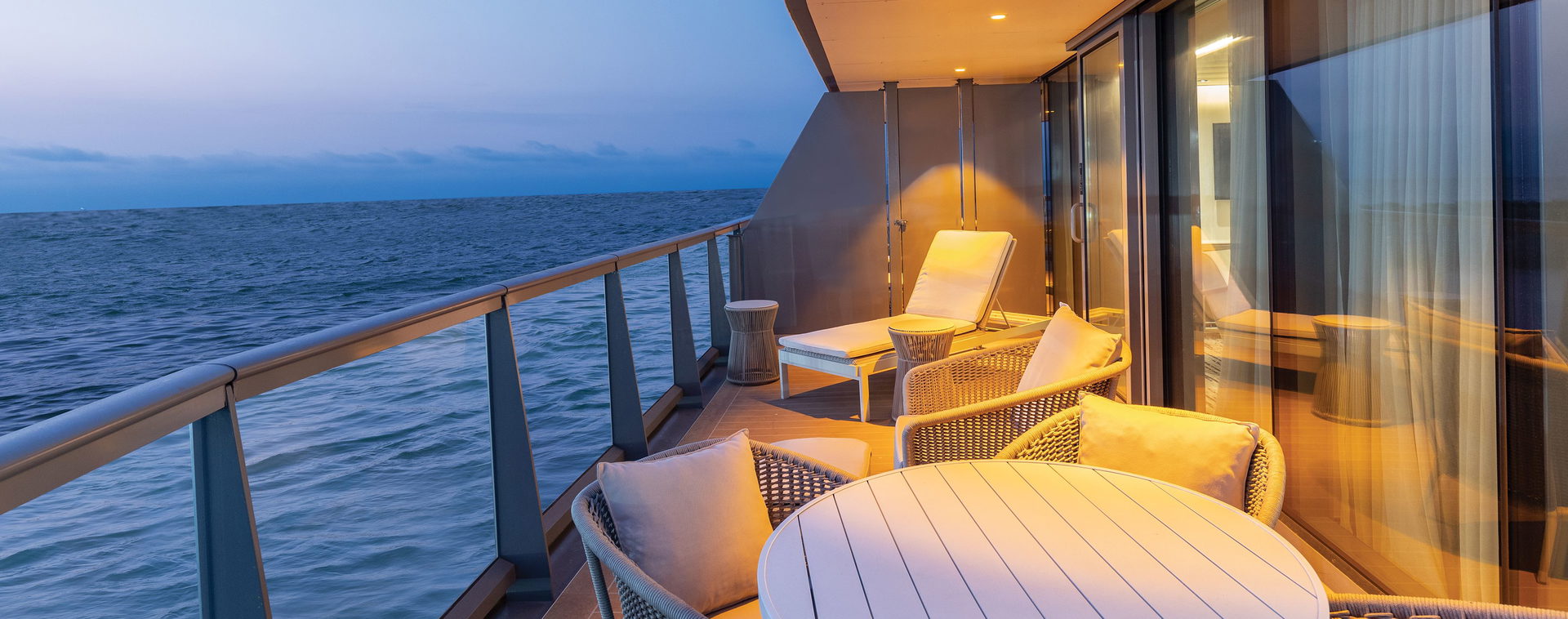
Interior cabins are the most affordable and, surprisingly, offer some practical advantages. They stay darker during the day, which can be wonderful for sleeping, and because they are located toward the interior of the ship, they tend to feel less motion—a real benefit for anyone prone to seasickness. Ocean view cabins add a window and natural light without the cost of a balcony, making them a solid middle ground. Balcony cabins are worth the splurge on scenic itineraries like Alaska, the Norwegian Fjords, or the Mediterranean, where having private outdoor space to watch the coastline drift by transforms the experience. Suites add more square footage, priority boarding, and often access to exclusive lounges, restaurants, and sundecks. They are ideal for travelers who value space, privacy, and elevated service.
A few practical tips: cabins located mid-ship and on lower decks experience the least motion. If you are sailing a particularly scenic route, consider whether port or starboard will offer better views based on the direction of travel and the position of the sun. These small details can make a noticeable difference in your comfort.
A Note on Timing and Seasons
When you sail can be just as important as where you sail. The Caribbean's hurricane season runs from June through November, and while ships adjust itineraries to avoid storms, travelers who prefer guaranteed calm weather may want to plan for winter or early spring instead. Alaska's peak season falls between June and August, but May and September offer fewer crowds, lower fares, and surprisingly pleasant conditions—though some excursions may be limited early or late in the season. The Mediterranean shines in spring and fall, when the summer heat and crowds have eased but the weather remains lovely for exploring.
Some ships reposition between regions seasonally, offering unique one-way itineraries at attractive price points. These transatlantic or transpacific crossings appeal to travelers who enjoy long stretches at sea and want something different from a standard round-trip sailing. Thinking about your weather preferences and how they align with the destination's seasons helps narrow both timing and ship choice.
Common Questions First-Time Cruisers Ask
It is completely normal to have practical concerns when planning a first cruise. Here are a few questions that come up regularly, along with straightforward answers.
What is the 3:1:1 rule on a cruise? This refers to the TSA liquid restriction for carry-on luggage when flying to your embarkation port: containers must be 3.4 ounces or less, all fitting into a single 1-quart bag, with one bag per passenger. The rule applies to your flight, not the ship itself, but it affects what you pack in your carry-on.
Should I book port side or starboard? There is no universal answer. It depends on the direction of your itinerary and whether you prefer morning or afternoon sun on your balcony. On a one-way Alaska sailing, for example, one side may face the coastline while the other faces open ocean. A knowledgeable advisor can help you determine which side makes sense for your specific sailing.
Which cruise lines have the fewest complaints? Rather than chasing a single answer, look at industry awards, repeat guest rates, and independent traveler reviews to get a sense of consistency and satisfaction. The more useful question is which cruise line aligns best with your expectations, because most complaints stem from a mismatch between what a traveler wanted and what the line actually delivers.
What should I avoid in a cruise line? The real pitfall is booking a ship that does not fit your travel style. A quiet, introverted couple on a mega ship packed with families may feel overwhelmed. A family looking for nonstop activities on a small, luxury vessel may feel bored. Avoiding a mismatch matters far more than avoiding any particular brand.
Most concerns that first-time cruisers worry about are easily addressed with a little planning and the right guidance. You do not need to figure everything out alone.
How a Travel Advisor Makes This Easier
Comparing dozens of cruise lines, ship classes, cabin categories, and itineraries takes time, and the sheer volume of information online can leave you more confused than when you started. An experienced travel advisor can cut through the noise by asking the right questions and narrowing the options to a handful of choices that genuinely fit your preferences, budget, and travel style.
Beyond selecting the ship, an advisor can coordinate shore excursions, travel insurance, pre- and post-cruise hotels, flights, and transfers so the entire vacation feels seamless. Working with an advisor typically costs nothing extra, and the relationship often brings added benefits like onboard credits, priority access, or exclusive amenities that you would not receive on your own. The goal is not to sell you a cruise. The goal is to make sure you end up on the right one.
Your Next Step
The right cruise ship is not the one with the most awards or the biggest marketing budget. It is the one that fits how you want to spend your vacation, who you are traveling with, and what you hope to remember when you return home. Take a moment to reflect on what matters most to you, then let those priorities guide your search.
Ready to begin planning a cruise or vacation that fits the way you like to travel? At Travel Today In Style I can help you compare the details and create a more personalized experience. There is no additional cost to book your vacation with me. Visit Traveltodayinstyle.com to get started.


 Featured Travel