

If you’ve been researching travel options lately, you may have noticed river cruising everywhere you look. Maybe a friend who once favored sprawling ocean voyages returned from the Danube raving about cycling through vineyards and stepping straight into the heart of Vienna, or you’ve scrolled past sunset photos over the Rhine and cozy Christmas-market strolls along the Seine.
That curiosity makes perfect sense. You’re probably wondering what’s driving this surge of interest—and, more importantly, whether a river cruise might be the kind of trip that fits the way you like to travel. Let’s explore that together so you can decide if a river voyage is the right next adventure for you.
Table of Contents
-
Comparing Popular River Cruise Lines—Which One Fits Your Style?
-
Why Working With a Travel Advisor Makes Sense for River Cruising
-
Ready to Explore River Cruising? Let's Find Your Perfect Voyage
Is a river cruise right for you?
If you’ve been curious about river cruising, I’ll walk you through exactly why these journeys have captured so many travelers’ imaginations: what a typical day on board feels like, who thrives on this kind of travel, what you can expect to pay, and how to start narrowing down the options. By the time you finish reading, you’ll have a clear, honest sense of what makes river cruises so appealing—and whether one deserves a spot on your travel calendar.
What Exactly Is River Cruising—and Why Is It Different?
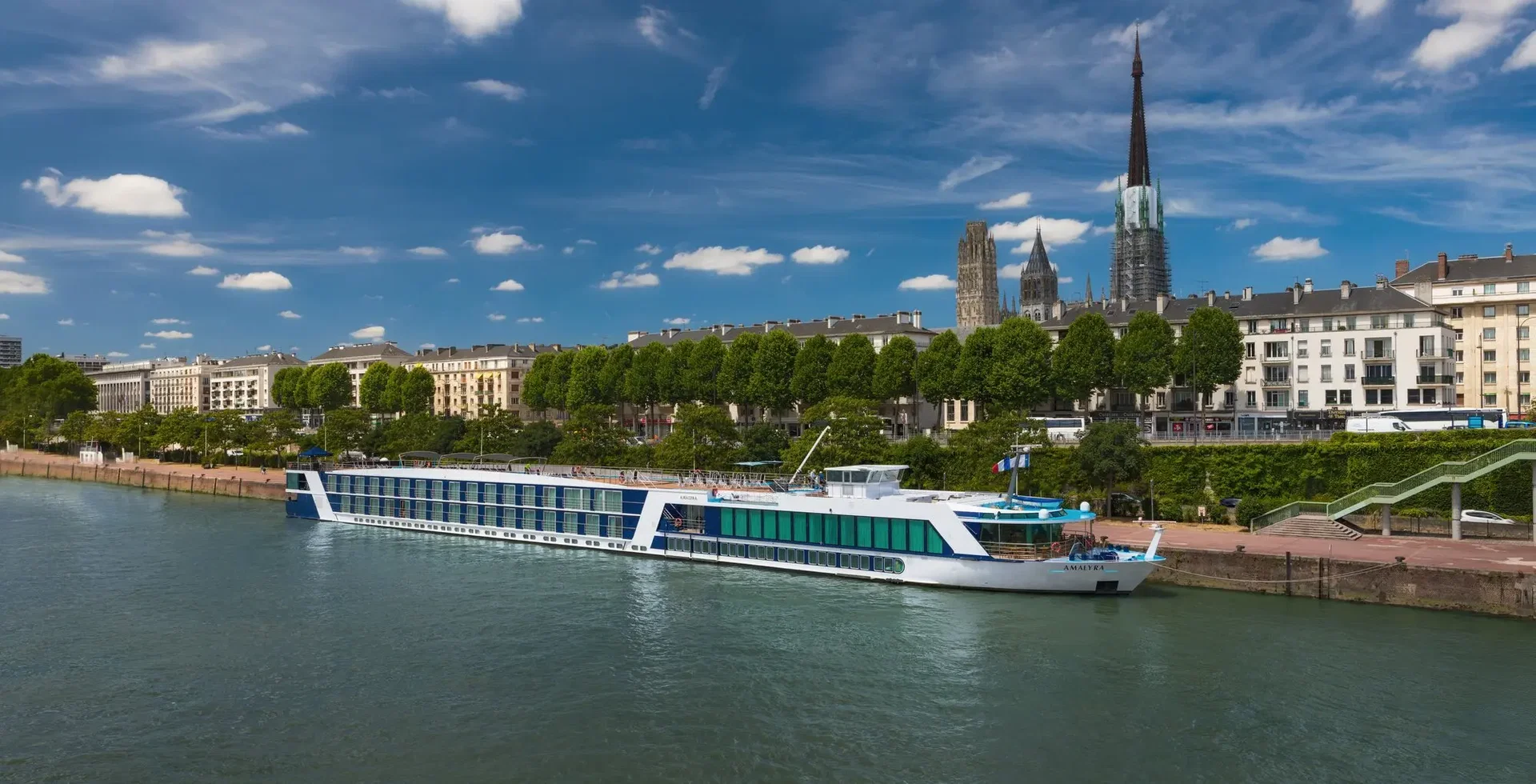
A river cruise is a voyage aboard a small, purpose-built ship that navigates inland waterways rather than open ocean. These vessels typically carry between 100 and 200 passengers, a fraction of what you would find on a large ocean liner, and they dock in the heart of cities, towns, and villages rather than at industrial ports miles from the sights.
The difference in scale changes nearly everything about the travel experience. Because the ships are compact, they can slip under centuries-old bridges and navigate narrow locks, bringing you directly into historic centers. You might finish breakfast, step off the gangway, and find yourself a five-minute walk from a cathedral, a market square, or a UNESCO World Heritage site. There is no tendering, no long bus transfers, and no waiting in line with thousands of other passengers to disembark.

The pace of river cruising is intentionally slower and more immersive. Itineraries are built around frequent port stops, often daily, with extended time ashore. Many ships sail overnight or during meal times, so your waking hours are spent exploring rather than staring at open water. Onboard life is quieter, too. You will not find casinos, water slides, or Broadway-style productions. Instead, evenings might bring a local folk musician, a lecture on regional history, or simply a glass of wine on the top deck as the riverbanks slide past.
Another defining feature is the all-inclusive nature of many river cruise lines. Meals, wine and beer with lunch and dinner, daily guided shore excursions, port charges, and Wi-Fi are often bundled into the fare. On luxury lines, gratuities, premium drinks, and even airfare may be included. This means you can largely set your wallet aside once you board, which appeals to travelers who prefer knowing the full cost upfront rather than tracking a running tab.
At its core, river cruising appeals to travelers who value depth over breadth. The goal is not to check off as many countries as possible in seven days. It is to see fewer places but experience them more fully, with time to wander, taste, and absorb the rhythm of each stop.
The Surge in Popularity—What's Driving the Trend?
A Shift Toward Immersive Travel Experiences
The way many people think about travel has shifted noticeably in recent years. The rush to cram as many sights as possible into a single trip has given way to a desire for slower, more meaningful journeys. River cruising fits this mindset perfectly. You unpack once, settle into your cabin, and wake up in a new destination each morning without ever repacking a suitcase or navigating train stations. The logistical ease is a significant part of the appeal, but the deeper draw is the sense of connection. Walking off the ship directly into a living, breathing town, rather than a cruise terminal surrounded by souvenir shops, makes the destination feel immediate and real. Travelers increasingly say they want authentic cultural encounters, and river cruising delivers that by placing the destination at the center of the experience rather than the ship itself.
An Aging Demographic With Disposable Income
Expanding Itineraries Beyond Europe
The classic image of river cruising involves the Danube, the Rhine, or the Seine, and Europe remains the most popular region by a wide margin. But the map has expanded considerably. In the United States, Mississippi River cruises draw travelers interested in American history, blues, and jazz, while Columbia and Snake River itineraries showcase Pacific Northwest landscapes and wine country. Hudson River cruises timed for fall foliage have carved out a seasonal niche. In Asia, the Mekong River offers a completely different cultural lens, winding through Vietnam and Cambodia with stops at floating markets, temples, and rural villages. The Yangtze in China and the Ganga in India present still more options. Africa's Nile River continues to attract travelers fascinated by ancient civilizations and archaeology. This geographic variety means river cruising is not a one-and-done proposition. Someone who falls in love with the experience on the Danube can return for an entirely different journey on the Mekong or the Mississippi.
The Appeal for Travelers Who Dislike Crowds
One of the most candid reasons travelers give for choosing river cruising is a simple aversion to crowds. Ocean ships carrying several thousand passengers can mean lines for embarkation, crowded buffet stations, and the infamous scramble for pool deck chairs. River ships, with their 100 to 200 guests, feel more like a boutique hotel where the staff learns your name and your coffee order by the second day. The atmosphere is social but never overwhelming. Fellow passengers tend to be well-traveled and curious, and conversations flow naturally at dinner or on the sun deck. For anyone who has ever felt lost in the shuffle on a mega-ship, the intimacy of a river cruise can be a revelation.
Who Is River Cruising Best Suited For?
River cruising is not for everyone, and understanding who tends to enjoy it most will help you decide if it aligns with your travel style. Couples celebrating anniversaries, honeymoons, or milestone birthdays often find river cruising to be an ideal fit. The scenery is romantic, the pace is unhurried, and the logistics are handled, leaving couples free to enjoy each other's company without stress.
Retirees and empty nesters with flexible schedules are another natural audience. The longer itineraries, often 10 to 15 days, reward travelers who have time to linger rather than those squeezing a trip into a packed vacation calendar. Solo travelers are increasingly well-served, too. Several cruise lines now offer dedicated single cabins or reduced single supplements, and the intimate onboard atmosphere makes it easy to strike up conversations and form connections.
Multi-generational groups are a growing segment, with some lines introducing family-friendly departures and connecting cabins. First-time visitors to Europe who want an efficient, guided introduction to multiple countries will appreciate the structure and the ease of having excursions, meals, and transportation arranged. Travelers with mobility concerns often find river cruising more manageable than ocean cruising or independent land tours. The ships are small, decks are easy to navigate, and many ports offer flat, walkable terrain right at the dock.
That said, river cruising is not the right match for families with young children who need water parks, kids' clubs, and constant entertainment. It is not designed for travelers seeking vibrant nightlife, late-night dancing, or a party atmosphere. And if you are the type of traveler who prefers to rent a car and explore completely on your own schedule, the structured nature of river cruising may feel confining. Knowing these distinctions upfront helps set realistic expectations.
What Does a River Cruise Cost—and What's Included?
Pricing is one of the first questions travelers ask, and the answer requires some context. For a 7- to 8-night river cruise, you can generally expect to pay between $3,500 and $7,500 per person, depending on the cruise line, the season, the cabin category, and the specific itinerary. Luxury lines like Scenic, Tauck, and Uniworld sit at the higher end of that range, while premium lines like Viking and Emerald typically offer entry points at the lower to middle end.
What makes the cost conversation different from ocean cruising is how much is included. On most river cruise lines, your fare covers all meals, wine and beer with lunch and dinner, at least one guided shore excursion in each port, onboard enrichment activities, and port charges. Luxury lines extend that to include premium spirits, all gratuities, multiple excursion choices, and sometimes airfare or pre-cruise hotel stays. When you factor in what you would spend separately on hotels, restaurant meals, guided tours, and transportation across multiple cities, the all-inclusive pricing often represents genuine value rather than a premium for the sake of it.
What is typically not included varies by cruise line. Premium excursions, such as a private after-hours tour or a hot air balloon ride, usually cost extra. Spa services, laundry, and gratuities on some lines are additional. Pre- and post-cruise hotel stays, flights, and travel insurance are generally separate unless bundled in a promotion. Booking early, sometimes 12 to 18 months ahead, is the best way to secure your preferred cabin category and take advantage of early booking incentives before popular departure dates fill up.
Comparing Popular River Cruise Lines—Which One Fits Your Style?
Choosing the right cruise line matters as much as choosing the right river. Each company has a distinct personality, and the differences can shape your entire experience.
Viking River Cruises is the most recognized name in the industry, with an extensive fleet and itineraries spanning Europe, Asia, the Mississippi, and the Nile. The design is clean and Scandinavian, the service is consistent, and the onboard experience emphasizes cultural enrichment through lectures, demonstrations, and regional cuisine. Viking suits travelers who want a reliable, well-organized experience with few surprises.
Emerald Cruises offers transparent pricing and strong value, with European itineraries like the "Jewels of the Rhine" starting around $3,316 per person and the "Danube Explorer" from approximately $2,823. Their EmeraldACTIVE program appeals to travelers who want to stay moving, with guided hikes, bike tours, and active excursions alongside traditional walking tours.
Tauck stands out for its access to exclusive experiences. The line brings local storytellers aboard, arranges dinner in private palaces, and offers after-hours entry to museums and attractions closed to the general public. Tauck is a luxury choice for travelers who want something beyond the standard itinerary, with every detail handled at an elevated level.
Scenic takes all-inclusive luxury seriously, with butler service for every suite, unlimited excursions, and unique features like the Scenic Sun Lounge that transforms balcony windows into an open-air space. It is a strong fit for travelers who want to be completely taken care of from the moment they arrive.
AmaWaterways has built a reputation around exceptional cuisine and wine-focused itineraries, with active excursion options that include biking and hiking. Uniworld offers boutique luxury with opulent, individually decorated ships and all-inclusive pricing that appeals to travelers who appreciate design and indulgence.
When comparing these options, think about what matters most to you: the range of included excursions, the flexibility of dining, the size of the cabin, the activity level, and the overall atmosphere. The right choice is the one that aligns with how you like to travel, not the one with the most awards on its website.
What to Expect Onboard—Cabins, Dining, and Daily Life

Cabins and Accommodations
River cruise cabins are more compact than what you might find on an ocean ship, but they are thoughtfully designed to maximize space and comfort. Most feature French balconies, which are floor-to-ceiling sliding glass doors that let in fresh air and panoramic views, rather than private outdoor balconies with chairs. Suites on luxury lines offer separate sitting areas, larger bathrooms, and more generous storage. Single cabins are increasingly available across multiple lines, a welcome development for solo travelers who are tired of paying double occupancy rates. One practical note: lower deck cabins often have smaller windows positioned at water level, which can limit your view. If waking up to an unobstructed river vista matters to you, consider a middle or upper deck cabin.
Dining and Dietary Needs
Dining onboard is relaxed and social, with open seating at every meal. There are no assigned tables or fixed dining times, so you can sit with new friends or enjoy a quiet table for two as you prefer. Menus typically highlight regional specialties that reflect the destinations you are visiting: think goulash along the Danube, tapas-inspired dishes in Spain, or fresh croissants and local cheeses in France. Most cruise lines accommodate dietary restrictions with advance notice, including gluten-free, vegetarian, and allergy-specific requests. Wine and beer are generally included with lunch and dinner on premium and luxury lines, and some ships offer alternative dining venues or specialty restaurants for a change of pace.
Daily Rhythm and Activities
A typical day on a river cruise follows a gentle but structured rhythm. Mornings begin with breakfast and a guided shore excursion, which might be a walking tour of the old town, a visit to a historic site, or an active option like a bike ride along the riverbank. Afternoons often bring free time to explore independently, followed by onboard activities such as a cooking demonstration, a wine tasting, or a lecture on local history. Evenings center around dinner, sometimes accompanied by local entertainment brought aboard from the region. The ship usually sails overnight or during meals, so your time in port is maximized. The pace is relaxed but never aimless, making it ideal for travelers who appreciate having a plan without feeling rushed.
River Cruising for First-Timers—What We Wish We Knew
If you are new to river cruising, a few practical insights can make your first experience smoother. Pack light and think in layers. Weather along a single river itinerary can shift from cool mornings to warm afternoons to chilly evenings, and cabin storage is limited. Comfortable walking shoes are non-negotiable. Excursions involve more time on foot than many first-timers expect, often over cobblestones and uneven surfaces.
Laundry service is available on most ships, so you can pack for a week and wear things twice without overstuffing your suitcase. Leave the formal wear at home. Even at dinner, the dress code is smart casual rather than black-tie, and you will feel out of place in a gown or tuxedo.
Tipping policies vary by cruise line. Some include gratuities in the fare, while others suggest cash envelopes distributed at the end of the voyage. Check your specific line's policy before you go so you are prepared. Wi-Fi is generally included but can be slower than you are used to, especially when the ship is moving through narrow river valleys. Patience helps.
Book popular excursions early. Christmas market tours, exclusive evening events, and limited-capacity experiences can fill up before you even board. Consider arriving a day or two before embarkation to adjust to time zones, explore your departure city, and cushion against flight delays. Finally, travel insurance is strongly recommended. River cruises involve non-refundable deposits, and water levels can occasionally cause itinerary changes. A good policy protects your investment and provides peace of mind.
When to Go—Seasonal Considerations for River Cruises
Timing shapes the river cruise experience as much as the destination. Spring, from April through May, brings blooming landscapes, mild temperatures, and fewer crowds. It is a lovely window for travelers who prefer quieter sailings, though some rivers may see higher water levels from snowmelt, which can occasionally affect bridge clearance.
Summer, from June through August, is peak season. The weather is warm, the days are long, and the ports are lively. This is the busiest and often the most expensive time to cruise, particularly in southern Europe, where temperatures can climb. If you thrive on energy and sunshine, summer delivers.
Fall, from September through October, is widely considered the sweet spot for European river cruising. The summer crowds have thinned, the weather is comfortable, and the harvest season brings wine festivals and golden foliage along the riverbanks. It is a magical time to be on the water.
Winter, particularly November and December, belongs to the Christmas market cruises. These itineraries are enormously popular, with festive markets, twinkling lights, and mulled wine in historic squares. The trade-off is cold weather and limited daylight, but for many travelers, the atmosphere is worth bundling up. Book Christmas market cruises well in advance, as they tend to sell out a year or more ahead.
Water levels are a reality of river cruising that travelers should understand. Spring snowmelt can raise water levels, while summer drought can lower them. Cruise lines are experienced at managing these situations, but occasional itinerary adjustments, such as a modified port stop or a short coach transfer, are possible. Flexibility and a good travel insurance policy go a long way.
Common Concerns—Addressing the Negatives Honestly
River cruising is wonderful in many ways, but it is not perfect, and an honest conversation about the trade-offs will help you decide if it is right for you. The ships are smaller, which means fewer amenities. There are no casinos, no sprawling pool decks, no Broadway theaters, and no multiple specialty restaurants. If the ship itself is your primary source of entertainment, an ocean cruise will likely be a better match.
Nightlife is limited. Evenings are quiet, and most passengers turn in early after a full day of exploring. If you enjoy late-night bars, dancing, or a bustling social scene, you may find the onboard atmosphere too subdued. The structured nature of the excursions can also feel restrictive for fiercely independent travelers who prefer to wander without a guide or a schedule.
Itinerary changes due to water levels are a genuine possibility. While cruise lines handle these situations professionally, rerouting or bus transfers can be disappointing if you had your heart set on a specific port. The passenger demographic skews older, typically 55 and up, which can leave younger travelers or families feeling like they do not quite fit in on certain lines.
Cost is another consideration. River cruises can appear expensive next to ocean cruise fares, but the all-inclusive nature and included excursions often balance the equation. The key is to compare what is actually included rather than looking at the base price alone. None of these concerns are dealbreakers for the right traveler, but knowing them upfront helps you make a clear-eyed decision.
How to Choose the Right River Cruise for You
Start with the destination. Which rivers and regions spark your imagination? The castles of the Rhine, the vineyards of the Douro, the temples along the Mekong, or the history of the Mississippi? Let the place guide your decision, because the destination is the star of any river cruise.
Next, consider the style of experience you want. Are you looking for something relaxed and scenic, or active and adventurous? Do you want cultural immersion with local storytellers and exclusive access, or a well-organized introduction to Europe's highlights? Match the cruise line to your travel personality rather than choosing based on name recognition alone.
Think about timing and flexibility. What season appeals to you? Are your travel dates fixed, or can you shift to take advantage of better availability or pricing? Evaluate what is included in the fare. Some lines bundle excursions, drinks, gratuities, and even airfare, while others charge separately for these items. The total cost of your vacation depends on what you value and what you will actually use.
Cabin selection matters. A French balcony offers fresh air and views without the premium of a full suite, while a lower deck cabin may save money but limit your outlook. Read reviews from travelers whose preferences align with yours. First-hand accounts often reveal the details that brochures leave out.
Finally, consider working with an experienced travel advisor who can compare options across multiple cruise lines. The right advisor will ask about your priorities, explain the differences between lines without bias, and help you navigate the choices with confidence.
Why Working With a Travel Advisor Makes Sense for River Cruising
River cruising involves a surprising number of variables: cruise line, ship, itinerary, cabin category, shore excursions, pre- and post-cruise hotel stays, flights, transfers, and travel insurance. Each decision affects the others, and the options can feel overwhelming when you are looking at them all for the first time.
An experienced travel advisor can compare options across Viking, Emerald, Tauck, Scenic, AmaWaterways, Uniworld, and other lines without the bias that comes from a single brand's marketing. Advisors often have access to exclusive Virtuoso Preferred Partner benefits, which can include onboard credits, cabin upgrades, complimentary excursions, and special amenities that add meaningful value to your trip without additional cost.
Your advisor handles the details: booking, documentation, dining preferences, excursion selection, and any changes that arise along the way. If water levels cause itinerary adjustments, your advisor advocates on your behalf and helps rearrange plans so you are not left managing logistics from a ship cabin. The cost of working with an advisor is typically built into the cruise fare, meaning you receive personalized guidance and added benefits without paying extra.
Allison, as an independent travel advisor and a Virtuoso affliate, specializes in helping travelers navigate these choices. She can walk you through the differences between cruise lines, help you compare itineraries and cabins, and ensure you have the right travel insurance in place before you depart. The goal is to match you with the river cruise that fits your travel style, not to push a particular brand or departure date.
Frequently Asked Questions About River Cruising
What is the average cost of a river cruise? For a 7- to 8-night sailing, expect to pay approximately $3,500 to $7,500 per person, depending on the cruise line, season, cabin category, and inclusions. Luxury lines and peak season departures sit at the higher end.
What are the negatives of river cruising? The ships are smaller with fewer onboard amenities, nightlife is limited, water levels can occasionally force itinerary changes, and the passenger demographic tends to be older. These factors are not drawbacks for everyone, but they are worth understanding before you book.
What is the best river cruise in the USA? The answer depends on your interests. The Mississippi River appeals to history and music lovers, the Columbia and Snake Rivers draw travelers interested in landscapes and wine, and the Hudson River is popular for fall foliage. There is no single best choice, only the one that aligns with what you want to experience.
Is river cruising suitable for solo travelers? Yes. Many cruise lines now offer dedicated single cabins or reduced single supplements, and the small-ship atmosphere makes it easy to meet fellow passengers. Solo travelers often find river cruising more welcoming than larger ocean ships.
Do I need a passport for European river cruises? Yes. You will visit multiple countries, so ensure your passport is valid for at least six months beyond your travel dates. Your travel advisor can help you confirm entry requirements for your specific itinerary.
What should I pack for a river cruise? Comfortable walking shoes, layers for changing weather, smart casual attire for dinner, a light jacket or raincoat, and any medications you need. Pack light, as cabin storage is limited, and remember that laundry service is available onboard.
Ready to Explore River Cruising? Let's Find Your Perfect Voyage
River cruising has earned its popularity for reasons that go far beyond marketing. It offers a way to travel that feels unhurried yet efficient, immersive yet comfortable, and social yet never overwhelming. You unpack once, wake up in the heart of a new destination each morning, and spend your days exploring rather than managing logistics. That combination of ease and depth is what keeps travelers coming back, and it is what draws so many first-timers to start researching their options.
The right river cruise for you depends on your priorities: the destination that calls to you, the style of travel that makes you feel most at home, the pace that suits your energy, and the inclusions that matter most. There is no single correct answer, only the one that fits the way you like to experience the world.
If you are curious about river cruising and want to explore your options without pressure, reaching out for personalized guidance is a natural next step. I can help you compare cruise lines, itineraries, cabins, and travel insurance options so you feel informed and confident about your decision. There is no obligation to book immediately. This is about discovering what is possible and finding the voyage that feels like it was designed for you. Thoughtful planning makes all the difference, and the right river cruise is out there waiting.


 Featured Travel