

What a cruise fare really covers — and what it doesn’t
If you’ve ever found yourself puzzling over what’s included in a cruise fare, you’re in good company. Cruise pricing can seem mysterious: one sailing looks like a steal while another—visiting similar ports—feels surprisingly pricey. The difference usually comes down to what’s built into the fare and what’s added on later.
Think of this as a quick roadmap. I’ll walk you through the typical components of a mainstream cruise fare, highlight the extras that commonly surprise first-time cruisers, and explain how luxury lines sometimes handle inclusions differently. By the end, you’ll have a clearer sense of where your money goes and how to plan a trip that fits your comfort level and travel style—without that awkward last-night billing surprise.
Table of Contents
- The Base Cruise Fare: What You're Actually Paying For
- What First-Time Cruisers Often Miss (The Hidden Costs)
- How Luxury and All-Inclusive Cruise Lines Differ
- What About Kids? Family-Friendly Fare Considerations
- Comparing Cruise Lines: What Each Includes (and Doesn't)
- How to Budget for Your Cruise: A Practical Approach
- Frequently Asked Questions About Cruise Fare Inclusions
- Planning Your Cruise with Confidence
The Base Cruise Fare: What You're Actually Paying For
When you see an advertised cruise price, that number typically covers four core categories: your stateroom, meals in the main dining venues and buffet, entertainment and shows, and access to the ship's basic amenities like pools, fitness facilities, and kids' clubs. Think of it as the foundation of your vacation. The cruise line provides a comfortable place to sleep, plenty of food throughout the day, a full schedule of activities, and transportation from port to port. For many travelers, that foundation alone makes for a wonderful trip.
What the advertised fare almost never includes, however, are port fees, taxes, and government charges. These mandatory costs are added at checkout and can range from roughly $150 to over $400 per person depending on your itinerary and how many ports you visit. This is one of the most common points of confusion for first-time cruisers, because the initial price you see online is rarely the final price you pay. Always look at the total fare, including taxes and fees, when comparing options.
The base fare also varies significantly by cabin category. An interior stateroom will cost considerably less than a balcony cabin, which costs less than a suite. Sailing date, itinerary length, and overall demand all influence pricing as well. A seven-night Caribbean sailing during spring break will carry a different fare than the same ship on a shoulder-season departure. The important thing to remember is that while the fare covers the essentials, cruise lines intentionally structure their pricing so that upgrades and extras are available for travelers who want them, without forcing them on everyone.
Accommodation and Stateroom Amenities
Your stateroom is your home at sea, and it comes with everything you need for a comfortable stay: a bed (or two, depending on configuration), closet and drawer space, a private bathroom with a shower, individual climate control, and daily housekeeping service. Most cruise lines provide basic toiletries like shampoo, body wash, and bar soap, along with a hairdryer. If you book a higher cabin category, you may find upgraded bath products, bathrobes, slippers, and occasionally a mini-bar, though mini-bar items are typically charged individually unless you are in a suite or an all-inclusive category.
Cabin location can affect the price but does not change what is included in the fare. A balcony stateroom forward on a higher deck may cost more than a similar cabin midship on a lower deck, but both include the same amenities. If you are sensitive to motion or prefer quiet surroundings, cabin placement matters more than you might think, and this is an area where a thoughtful conversation with a travel advisor can make a real difference in your overall experience.

Dining: What's Complimentary and What's Not
One of the great pleasures of cruising is the sheer variety of food available throughout the day, much of it included in your fare. The main dining room serves breakfast, lunch, and dinner with rotating menus, and you can order as many appetizers, entrees, and desserts as you like. The buffet is open for extended hours and offers a casual alternative with stations ranging from salads and carved meats to international dishes and made-to-order omelets. Beyond these two staples, most ships include casual venues like poolside grills, pizza counters, sandwich shops, and soft-serve ice cream machines, all at no additional charge.
Specialty restaurants are where the line between included and extra becomes clear. Steakhouses, Italian trattorias, sushi bars, French bistros, and chef's table experiences typically carry a cover charge ranging from about $20 to $60 per person, depending on the venue and the cruise line. These restaurants offer a more intimate atmosphere and elevated menus, and many travelers consider them well worth the splurge for a special evening. Room service is another area where policies vary. Continental breakfast delivered to your cabin is usually complimentary, but 24-hour room service often carries a service fee. On Royal Caribbean, for example, that fee is $7.95 per order plus an automatic gratuity. It is a modest charge, but one worth knowing about before you pick up the phone at midnight.
Beverages: What's Free and What Costs Extra
The beverage situation surprises more first-time cruisers than almost anything else. Included in your fare are tap water, regular drip coffee, hot tea, iced tea, milk, lemonade, and select juices at breakfast. That is the standard lineup on most mainstream cruise lines. If you want a soda, a bottle of water, an espresso, a latte, a smoothie, a glass of wine with dinner, or a cocktail by the pool, those are all additional charges, plus an automatic gratuity added to each purchase.
For travelers who enjoy a few drinks throughout the day, beverage packages can simplify the math. These packages are available for purchase before you sail or on embarkation day and typically cover sodas, specialty coffees, bottled water, wine, beer, and cocktails up to a certain price per drink. Whether a package makes sense depends entirely on your habits. Someone who enjoys a cappuccino in the morning, a couple of bottles of water during shore excursions, a glass of wine at dinner, and a nightcap after the show will likely find good value in a package. A traveler who is perfectly content with iced tea and the occasional soda may prefer to pay as they go.
Entertainment, Activities, and Onboard Experiences
The entertainment included in your cruise fare is genuinely impressive. Broadway-style production shows, live music ranging from jazz trios to rock cover bands, comedy performances, and elaborate theater productions are all part of the experience. On any given evening, you can walk into a show lounge, find a seat, and enjoy a performance without reaching for your wallet.
Daytime activities follow a similar pattern. Trivia contests, dance classes, pool games, standard fitness classes, mini-golf, rock climbing walls, basketball courts, and waterslides are all included. The cruise line's kids' clubs, which offer supervised programming for children ages three through seventeen, are also part of the fare. What costs extra are the more specialized experiences: spa treatments, fitness classes like yoga or spin, casino gaming, arcade games, bingo cards, and certain culinary demonstrations or wine tastings. None of these are required to have a fantastic cruise, but they are available if you want to add something extra to your days at sea.
What First-Time Cruisers Often Miss (The Hidden Costs)
The phrase "hidden costs" can sound ominous, but the reality is that most additional cruise expenses are not hidden at all. They are simply easy to overlook when you are focused on the excitement of choosing a ship and itinerary. Knowing about them in advance lets you budget realistically and removes any anxiety about what might appear on your final statement.
Gratuities and Service Charges
Automatic daily gratuities are standard on most major cruise lines, and they represent one of the largest line items beyond the base fare. For a standard cabin, expect to pay roughly $14 to $18 per person, per day. Suites often carry a higher rate, closer to $18 to $20 per person, per day. These gratuities are billed to your onboard account and are distributed among the dining staff, stateroom attendants, and behind-the-scenes crew who make your vacation possible.
You can adjust or remove these charges at guest services, though the standard recommendation is to leave them in place. The crew works incredibly hard, and gratuities form a significant portion of their compensation. Some luxury and all-inclusive cruise lines include gratuities in the fare, which is a meaningful distinction when you are comparing options across different categories of cruising. If you are working with a travel advisor, they can help you understand which lines include gratuities and which add them separately, so you can compare the total cost rather than just the advertised fare.
Port Fees, Taxes, and Government Charges

As mentioned earlier, port fees and taxes are almost never included in the advertised base price. These mandatory charges cover docking rights, customs processing, environmental fees, and local taxes at each port on your itinerary. They are not optional, and they will appear when you proceed to the final booking screen. When comparing two cruises that seem similarly priced, always look at the total fare with taxes and fees included. A sailing that appears $200 cheaper at first glance may actually cost more once those charges are added.
Wi-Fi and Internet Access
Staying connected at sea is not included in the base fare on mainstream cruise lines. Wi-Fi packages typically range from $15 to $30 per day for basic browsing and social media access, and $25 to $40 per day for streaming-quality connections that support video calls and Netflix. Some cruise lines offer free Wi-Fi as a promotional perk or as part of a bundled package, and luxury lines and expedition cruises often include it as a standard feature.
The cruise line's app, however, is free to download and use without purchasing a Wi-Fi plan. You can view daily schedules, make dining reservations, check your onboard account, and in some cases send messages to other guests through the app. Guest-to-guest chat may require a small one-time activation fee, but it is far less expensive than a full internet package if all you need is a way to coordinate with your travel companions.
Shore Excursions and Port Activities
Shore excursions are not included in the base fare, and their cost varies widely depending on the activity. A simple beach transfer might run $50 per person, while a helicopter tour or a private guided experience could exceed $500 per person. You can book excursions through the cruise line, which offers convenience and a guaranteed return to the ship on time, or you can arrange independent tours, which often cost less and provide more flexibility. Both approaches have their merits, and the right choice depends on the port, the activity, and your comfort level with independent planning.
An experienced travel advisor can be particularly helpful here, offering insight into which ports are easy to explore on your own, which excursions book up early, and which independent operators have a strong reputation. This is one of those areas where personalized guidance can save you both money and stress.
Travel Insurance and Cancellation Protection
Travel insurance is a separate purchase and is not included in your cruise fare. A comprehensive policy can cover trip cancellation, medical emergencies, baggage loss, and itinerary disruptions. Cruise lines also offer their own cancellation waivers, sometimes called "Cruise Protection" or "Cancel for Any Reason" coverage, but these differ from third-party insurance in important ways, particularly around medical coverage and pre-existing conditions.
If you are considering travel insurance, the timing of your purchase matters. Buying a policy within 10 to 14 days of your initial deposit often provides the broadest coverage, including waivers for pre-existing medical conditions. It is a detail that is easy to overlook in the excitement of booking, but one that can make a significant difference if plans change unexpectedly.
How Luxury and All-Inclusive Cruise Lines Differ
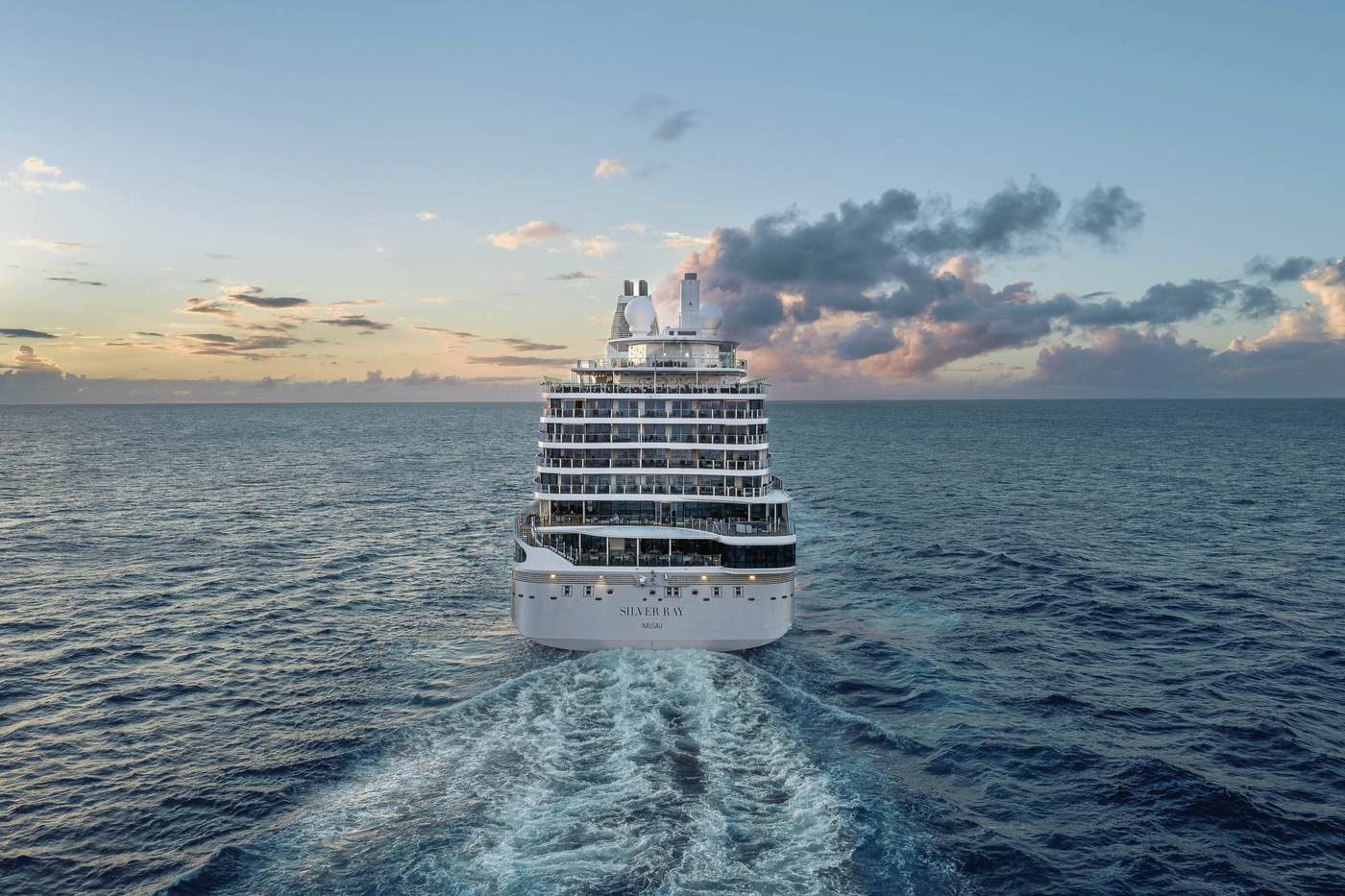
The question of what is included in a cruise fare has a very different answer depending on whether you are looking at a mainstream line like Royal Caribbean, Carnival, or Norwegian, or a luxury line like Regent Seven Seas, Seabourn, or Silversea. On a luxury cruise, the upfront fare is higher, but it typically includes nearly everything: all dining, including specialty restaurants, premium beverages including alcohol and specialty coffee, gratuities, Wi-Fi, and often a selection of shore excursions. Some lines even include pre-cruise hotel stays, transfers, and round-trip airfare.
This is why comparing cruise lines purely on the advertised fare can be misleading. A mainstream cruise might appear significantly less expensive, but once you add a beverage package, specialty dining, gratuities, Wi-Fi, and a few shore excursions, the total cost may approach or even exceed the fare on an all-inclusive luxury line. For travelers who know they will enjoy wine with dinner, a few cocktails by the pool, and the convenience of not signing for every drink, a luxury line can represent genuine value.
Expedition cruises, such as those offered by Lindblad, Ponant, and Silversea Expeditions, also tend to be more inclusive. These sailings to places like Antarctica, the Galápagos, and the Arctic typically bundle excursions, expert guides, and even gear like waterproof boots and parkas into the fare. The experience is immersive and seamless, with far fewer onboard transactions than you would find on a mainstream ship.
What About Kids? Family-Friendly Fare Considerations
Families often wonder whether children pay the same fare as adults, and the answer is generally no, though the specifics depend on the cruise line and the promotion. Third and fourth guests sharing a stateroom typically sail at a reduced fare, which makes family cruising more accessible than it might first appear. Some cruise lines also run "kids sail free" promotions during certain sailings, which can significantly lower the total cost for a family of four.
Kids' clubs, like Royal Caribbean's Adventure Ocean and Carnival's Camp Ocean, are included in the fare for children ages three through seventeen. These programs offer supervised activities, age-appropriate games, and dedicated spaces where kids can make friends while parents enjoy some time to themselves. Late-night babysitting, typically available after 10 p.m., may carry an additional hourly fee. Children's menus in the main dining room and buffet are included, though specialty dining charges apply to children just as they do to adults.
Comparing Cruise Lines: What Each Includes (and Doesn't)
While every mainstream cruise line follows a similar structure, there are meaningful differences in what each includes in the base fare and what they offer through packages and promotions. Understanding these distinctions can help you choose the line that best matches your priorities.
Royal Caribbean includes complimentary dining across multiple venues, award-winning entertainment, and access to private destinations like Perfect Day at CocoCay, all within the base fare. Beverages beyond water, tea, and coffee cost extra, and specialty dining, Wi-Fi, and shore excursions are add-ons. Carnival follows a similar model, with main dining, the buffet, Guy's Burger Joint, and BlueIguana Cantina included, while specialty restaurants, drinks, and Wi-Fi are additional.
Norwegian offers complimentary dining in main restaurants and the buffet, with specialty dining available for an upcharge. Norwegian's "Free at Sea" promotion frequently bundles beverage packages, specialty dining credits, and shore excursion discounts into the fare, which can change the value equation considerably. MSC includes main dining, the buffet, and entertainment, with more inclusive experiences available through their Aurea and Yacht Club categories. Princess offers a comparable base experience, with their Princess Plus and Premier packages bundling beverages, Wi-Fi, gratuities, and specialty dining for a daily rate that many travelers find simplifies their budgeting.
Luxury lines like Regent Seven Seas, Seabourn, and Silversea operate on a fundamentally different model. Nearly everything is included: all dining, premium beverages, gratuities, shore excursions, Wi-Fi, and often airfare and transfers. The upfront fare is higher, but the onboard experience is largely free of additional charges.
How to Budget for Your Cruise: A Practical Approach
A realistic cruise budget looks beyond the base fare and accounts for the extras that matter most to you. Start with the total fare including taxes and fees, then add gratuities. From there, think about what you will actually use. If you enjoy a glass of wine with dinner and a cocktail or two during the day, factor in a beverage package or an estimate of per-drink costs. If you want to try one or two specialty restaurants, add those cover charges. Plan for at least one shore excursion per port, plus a little extra for Wi-Fi if staying connected matters to you.
Travel insurance is another line item worth including from the start. It protects your investment and provides peace of mind, particularly for international itineraries or sailings booked far in advance. Pre- and post-cruise hotels, flights, and transfers round out the picture.
The good news is that you do not need to figure all of this out alone. A travel advisor can help you compare cruise lines, packages, and promotions, and walk you through the total cost of each option so you can make an informed decision without the pressure of a ticking clock on a website. With thoughtful planning, you can enjoy a wonderful cruise vacation that feels generous and well-managed from start to finish.
Frequently Asked Questions About Cruise Fare Inclusions
Are port fees and taxes included in the advertised price?
No, they are typically added at checkout. Always look at the total price, including taxes and fees, before comparing cruises or making a final decision.
Do I have to pay gratuities, or can I remove them?
Automatic gratuities are standard on most cruise lines. They can be adjusted or removed at guest services, but it is recommended to keep them in place, as they directly support the crew who work hard to make your vacation special.
Is room service free?
Continental breakfast room service is usually complimentary. 24-hour room service often carries a service fee, typically between $5 and $10 per order depending on the cruise line.
Can I bring my own alcohol onboard?
Policies vary by cruise line. Most allow a limited amount of wine or champagne per person at embarkation, typically one 750ml bottle, but liquor and beer are generally prohibited. Check your specific cruise line's policy before packing.
What's the difference between a "cruise fare" and "all-inclusive"?
Mainstream cruise lines are not truly all-inclusive. The term "all-inclusive" in cruising usually refers to luxury lines that include beverages, gratuities, and often shore excursions in the fare. When comparing options, look at what is actually covered rather than relying on the label alone.
Planning Your Cruise with Confidence
Understanding what is included in a cruise fare is the first step toward planning a vacation that fits your preferences and your budget. No two cruises are exactly alike, and the right choice depends on your travel style, your priorities, and what you value most in a vacation experience. Some travelers prefer the flexibility of a mainstream line where they can pick and choose extras. Others appreciate the seamlessness of a luxury cruise where nearly everything is handled in advance.
Navigating these choices is easier with someone who knows the landscape well. As an independent travel advisor affiliated with Virtuoso, I help travelers compare cruise lines, cabins, itineraries, and packages so they can book with clarity and confidence. Whether you are planning your first cruise or your fifteenth, I can help you sort through the details and create a more personalized travel experience.
Ready to begin planning a cruise or vacation that fits the way you like to travel? At Travel Today In Style, I can help you compare the details, explore your options, and create a more personalized travel experience. There is no additional cost to book your vacation with me. Ready to get started?


 Featured Travel