
← Back to Tunisia Experiences
Tunis · Tunisia · Tunisia
Private Sahara Desert 7 Day Tour
Starting From
From $2,889.42 per person
Current Project Expedition rate
Experience inventory, live availability and secure booking provided by
Project Expedition
The Experience
What your day looks like
Joining the Sahara by buggy is an experience that offers you a truly immersive cultural encounter. Beyond the thrilling ride, this activity provides an insider's perspective into local traditions and ways of life. You make memorable connections with the people and landscapes of the region. Our tour includes stops to visit with nomadic communities, observe artisanal craftsmanship, or partake in traditional ceremonies and celebrations. This level of cultural immersion allows you to go beyond just sightseeing and to genuinely engage with the local culture.In addition, our tour guides leading the Sahara buggy experience have extensive knowledge of the area's history, ecology, and hidden gems that typical visitors would miss.
Highlights
Why travelers choose this experience
- A truly immersive cultural encounter
- This activity provides an insider's perspective into local traditions and ways of life
- Make memorable connections with the people and landscapes of the region
- Observe artisanal craftsmanship, or partake in traditional ceremonies and celebrations
Your Itinerary
Your day, step by step
Day 1
Tunis
Welcome to this trip! Pickup from the airport, transfer to Sousse.
Continued
Tunis
Overnight at five-star hotel, Movenpick or similar
Day 2
Tunis
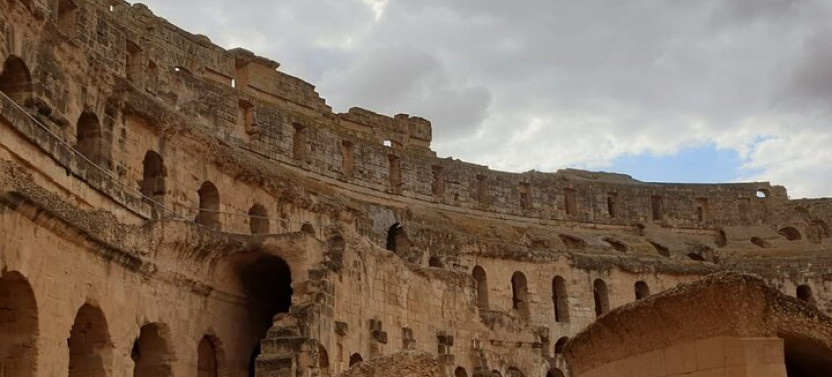
Sightseeing at Amphitheatre of El Jem. Amphitheatre of El Jem: The El Djem Colosseum is an ancient Roman amphitheater located in the town of El Djem, Tunisia. It is one of the most well-preserved Roman ruins in North Africa and is a UNESCO World Heritage site.was built around 238 AD during the reign of the Roman Emperor Gordian I. It was constructed using limestone and marble. The El Djem Colosseum is now a major tourist attraction in Tunisia. Parts of the structure have been partially restored and continues to host occasional events and re-enactments. It stands as an impressive testament to ancient Roman engineering and construction prowess. The well-preserved state of the El Djem Colosseum makes it one of the most remarkable Roman archaeological sites in the world and a highlight for many visitors to Tunisia.
Continued
Tunis
Local Flavor. Matmata: Matmata is a berber village in southern Tunisia, known for its unique troglodyte (underground) dwellings. These dwellings, called "Matmata caves," were originally constructed by the Berber people as a means of adapting to the harsh desert climate.
Continued
Douz
Sightseeing. Douz: Douz, located in southern Tunisia, is often referred to as the "Gateway to the Sahara" or the "Sahara Gate" due to its strategic location on the edge of the Sahara Desert. Historically, Douz was an important trading post and caravan stop along the trans-Saharan trade routes that connected North Africa to sub-Saharan Africa. Caravans traveling between the coast and the Sahara would pass through Douz, making it a hub for the exchange of goods, people and cultural influences.
Continued
Tunis
Overnight at 4-star hotel Sun palm or similar
Day 3
Tunis
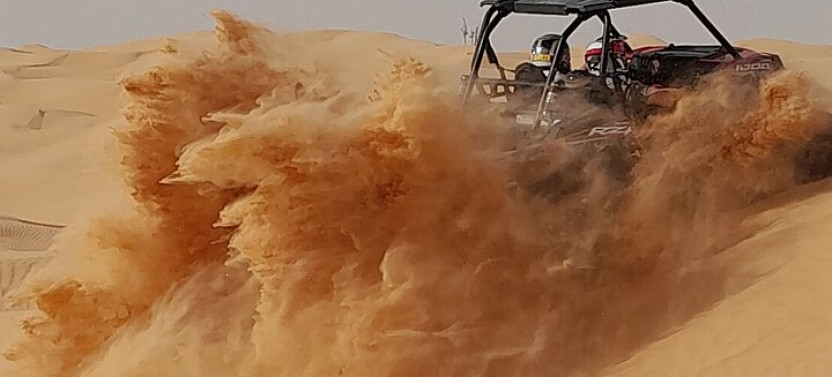
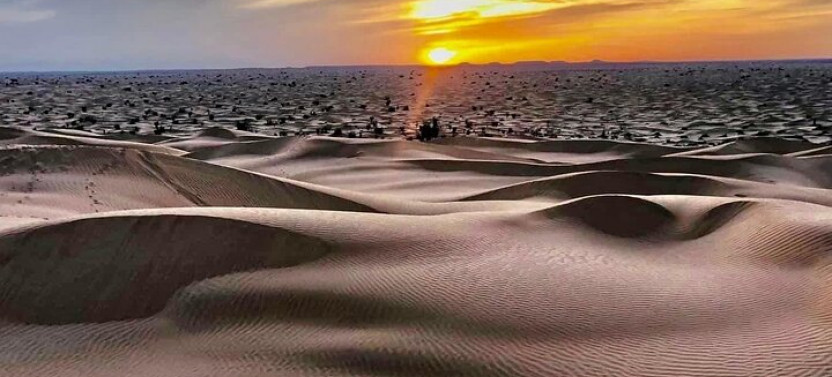
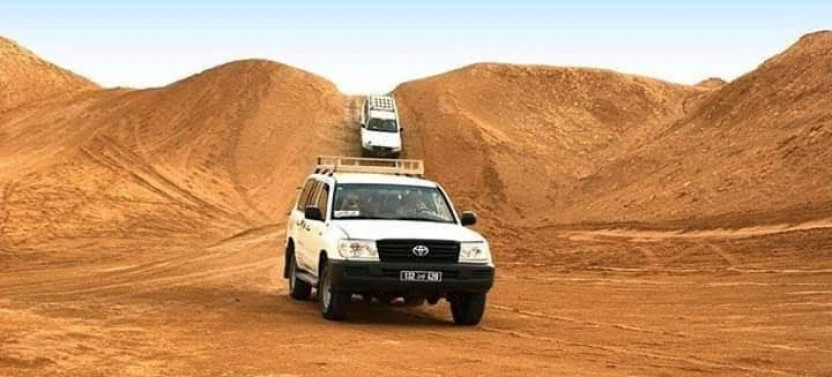
Sandboarding at Sahara Desert. Sandboarding: After breakfast, we take our buggies following our Local Saharian Guide, and our adventure starts. Sandboarding and dune buggy rides will offer us thrilling ways to experience the Sahara's dunes. An adventure in southern Tunisia's Sahara dunes promises a truly unforgettable and sensory-rich journey through one of the world's most iconic desert landscapes. We will have a short stop every hour to reset and admire the sand dunes. A lunch stop in the heart of the desert with nomads. We will reach our camp at sunset. Overnight and dinner are at Tiniri camp.
Continued
Tunis
Tiniri Camp or similar
Day 4
Tunis
Leisure at Sahara Desert. Leisure: Delicious Breakfast and we take our Buggies without luggage. With our Saharian guide, we discover a gem lost in the sea of dunes called Houidet Erreched, we reach a natural lake after five hours of driving on the Dunes, and in the afternoon we go back to Tiniri camp for Dinner and overnight.
Continued
Tunis
Overnight at Tiniri Camp
Day 5
Tunis
Sightseeing at Chott el Djerid. Chott el Djerid: We leave the camp early and go back to Douz, a short stop, then continue to Chott el Djerid. This is a large salt flat located in southern Tunisia, known for its unique desert environment and salt deposits, which have drawn some comparisons to the conditions found on Mars. Tozeur is a city and oasis located in southwestern Tunisia, known for its distinctive palm groves, traditional architecture, and dramatic desert landscapes. Visit the Medina and dinner and overnight at Ksar Rouge or similar.
Continued
Tunis
Accommodation.
Day 6
Tunis
Local Flavor at Chebika, Tozeur. Chebika: Chebika is a small village located in a small oasis in the Tunisian Atlas Mountains, known for its dramatic desert landscapes, deep canyons, and natural springs.
Continued
Kairouan
Sightseeing. Kairouan: Kairouan is known as one of the holy cities of Islam and holds great historical and cultural significance. was founded around the year 670 by the Arab general Uqba ibn Nafi Kairouan became the capital of Ifriqiya and experienced a period of wealth and prosperity. The Aghlabids built the Great Mosque of Kairouan, which became a center of education and Islamic thought. The Aghlabids also constructed palaces, fortifications, and waterworks, some of which can still be seen today. Kairouan is recognized as a UNESCO World Heritage Site since 1988. Here we visit also the mausoleum of prophet Apostol.
Continued
Tunis
Overnight at kasbah hotel or similar
Day 7
Tunis
Sightseeing. Medina: Medina of Tunis is a historic old town, located in the heart of modern-day Tunis, and is surrounded by the more recently developed sections of the city. The Medina dates back to the 7th century CE, when Tunis was founded as an Arab-Muslim city. It has been an important commercial and cultural hub throughout the city's long history, serving as the center of trade, administration, and religious life. The Medina is characterized by its densely packed, winding streets and alleyways, as well as its traditional Tunisian-Islamic architectural style as the Zitouna Mosque, one of the oldest and most important mosques in North Africa, as well as numerous historic palaces, fondouks (caravanserais), and souks (marketplaces).
Continued
Tunis
Archaeological Exploration at Carthage. Carthage: Carthage is one of the most important archaeological sites in North Africa, with extensive ruins and remains from the Punic, Roman, and Byzantine eras. It includes the Punic and Roman ports, the ancient Byrsa Hill citadel, the Antonine Baths, and the Punic Tophet (a cemetery for child sacrifices). The rich history and culture of ancient Carthage. Cultural Importance: Carthage played a pivotal role in the ancient Mediterranean world, influencing the cultures, economies, and politics of the region. The city's Punic language and script, as well as its religious beliefs and practices, had a lasting impact on North Africa and the broader Mediterranean world.
Continued
Tunis
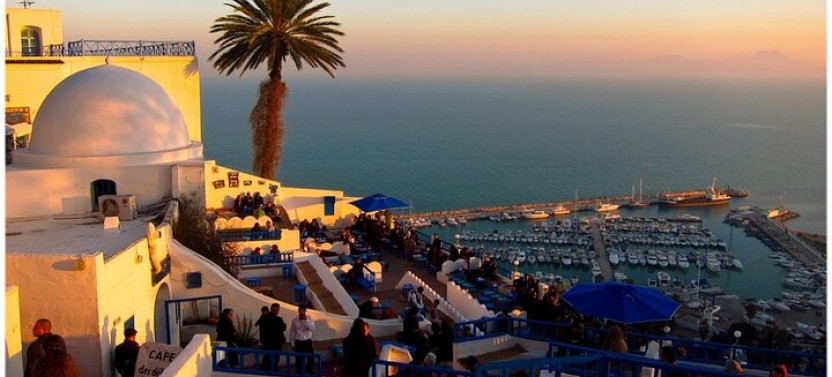
Sightseeing. Sidi Bou Said: Sidi Bou Said is a picturesque town located on the northern coast of Tunisia, approximately 20 kilometers from the capital city of Tunis. This Moorish Village is known for its distinctive white buildings with bright blue doors and windows, creating a charming and photogenic atmosphere.
Continued
Tunis
This is the end of your trip!
Planning Details
Before you go
Not Included
All Fees and Taxes
What to Bring
Comfortable clothing and footwear Camera and other items you may need Passport required
Restrictions
Not recommended for pregnant travelers Not recommended for people with heart conditions
Meeting & Pickup
We will pick you up at the arrival hall at Tunis Carthage Airport. Your guide will be waiting for you with a sign with the lead traveller's name.
Planning Notes
Hotel pickup offered: Yes Confirmation: Automatic
 Featured Travel