
← Back to South Korea Experiences
Busan · Gyeongsang · South Korea
Gyeongju Day Tour with UNESCO World Heritage Sites
Starting From
From $201.61 per person
Current Project Expedition rate
Experience inventory, live availability and secure booking provided by
Project Expedition
The Experience
What your day looks like
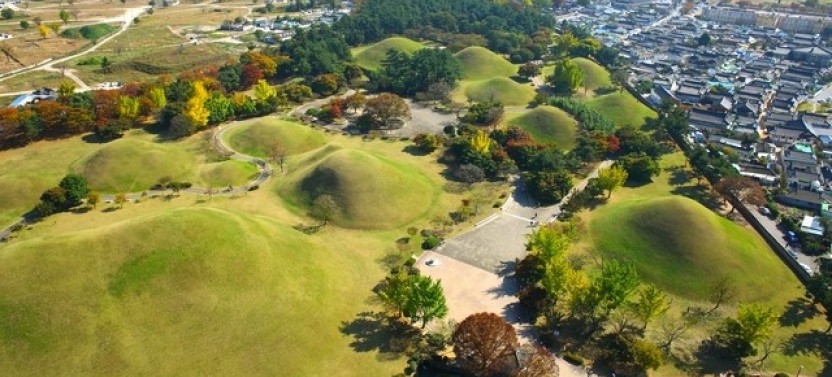
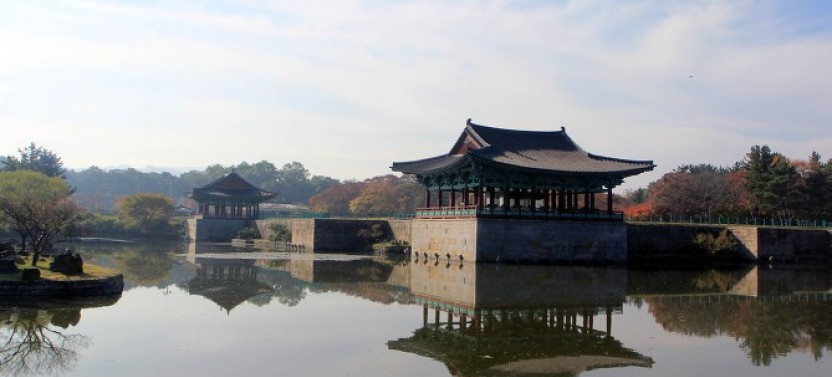
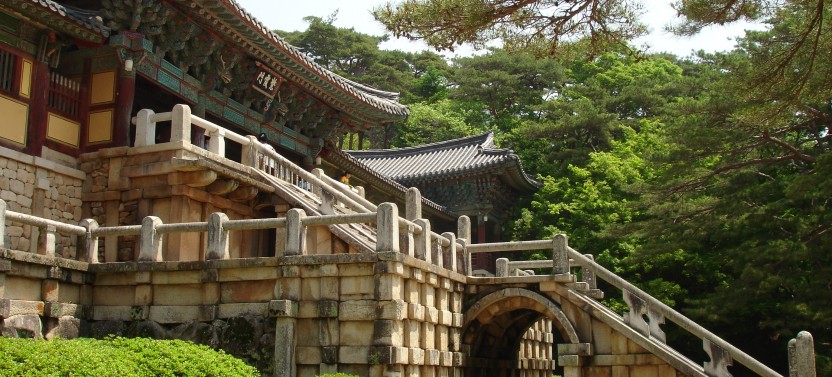
Shilla Kimdom Theater where you will enjoy a short film of Shilla Kimdom dynasty. Gyeongju Gyochon Village: Located in Gyeongju-si, Gyeongju Gyochon Village is an Hanok village that allows visitors a look inside the life of famous the Choi Clan. Visitors can see the House of the Gyeongju Choi Clan (Important Folklore Material No. 27) and try some Gyeongju Gyodong Beopju Liquor (Important Intangible Cultural Asset No. 86-3) inside the village. Daereungwon Tomb Complex: Large ancient tombs of kings and nobles of the Silla Kingdom can be seen around Gyeongju at the Daereungwon Tomb Complex (Cheonmachong Tomb). There are twenty-three large tombs located here; the most famous being Cheonmachong and Hwangnamdaechong. The unique thing about Hwangnamdaechong is that the queen's tomb has more luxurious accessories. Researchers have concluded that even the queen can have a high social position before marriage. You can feel the ancient culture of Korea 1,500 years ago when visiting these tombs. Cheomseongdae Observatory: Cheomseongdae is the oldest existing astronomical observatory in Asia and was built in a cylinder shape with stones 30cm in diameter. 362 stones were piled up to make 27 levels. Roughly 4.16m up from the bottom there is a 1㎡ square entrance and a space to hang a ladder under it. The inside is filled with soil up to the 12th level, and the 19th, 20th, 25th, and 26th levels all have long rocks hanging on two areas, shaped as the Chinese letter '井' (Jeong). It stands 9.17m high and the base stone on each side measures 5.35m. The Vernal Equinox, Autumnal Equinox, Winter Solstice, Summer Solstice and the 24 solar terms (also known as the astronomical solar year) were determined by the observation of stars. The pavilion stone is believed to have been used as a standard for deciding directions, north, south, east and west. The 362 stones used to build Cheomseongdae represented the 362 days in a lunar year. Bulguk Temple: Bulguk Temple is the representative relic of Gyeongju and was designated as a World Cultural Asset by UNESCO in 1995. The beauty of the temple itself and the artistic touch of the stone relics are known throughout the world. Even today, Bulguk Temple is home to many important cultural relics such as Dabotap Pagoda (National Treasure No. 20), Seokgatap Pagoda (National Treasure No. 21), Yeonhwa-go & Chilbo-go Bridges (National Treasure No. 22), Cheongun-go & Baegun-go Bridges (National Treasure No. 23), Seokguram Grotto (National Treasure No. 24), the Golden Seated Vairocana Buddhist Figure (National Treasure No. 26), the Golden Seated Amita Figure (National Treasure No. 27), and Sarita Pagoda (Treasure No. 61). Seokguram Grotto: Seokguram, located on Tohamsan Mountain, is the representative stone temple of Korea. The official name of Seokguram, National Treasure No. 24, is Seokguram Seokgul. Designated as a World Cultural Heritage Site by UNESCO in 1995, it is an artificial stone temple made of granite. The construction was started by Kim Dae-Seong (700-774) in 751 during the reign of King Gyeong-Deok (742-765) of the Silla Kingdom (57 BC-AD 935) and it was finished twenty-four years later in 774, during the reign of King Hye-Gong (765-780). Seokguram is known to have been built with Bulguksa Temple. According to the history book Samgukyusa of the Goryeo Dynasty (the country that unified the Korean peninsula at the end of the Silla Kingdom, 918-1392), Kim Dae-Seong had Bulguksa Temple built for his parents in his current life, and Seokguram Grotto for the parents of his former life. Inside the round-shaped main hall are the Bonjon Statue, Bodhi-sattva, and his disciples. The Bonjon figure wearing a generous smile is seated on the stage engraved with a lotus flower design. The rounded ceiling looks like a half-moon or a bow and has a lotus flower decorated cover on it. As the sunrise from this spot is quite beautiful, many people climb the mountain at daybreak. Gyeongju Donggung Palace and Wolji Pond: According to the historical records of Samguk-Sagi, Wolji Pond was built during the 14th year of King Munmu (r. 661-681 AD) of the Silla Kingdom (57 BC-935 AD). Small mountains were created inside the palace walls, beautiful flowers were planted, and rare animals were brought in to create an exquisitely exotic garden fit for royalty. The pond was originally built in Wolseung Fortress (built in 101 AD during the Silla period), but the fortress was destroyed and now lies in ruins. In 1974, an excavation project revealed large spherical shapes (measuring 200 meters in diameter and 180 meters in height) which indicated that 3 islands had been located in the pond. Thanks to these important findings and existing historical records, Wolji Pond has been restored to nearly its former glory. Imhaejeonji As one of the detached palaces of the Silla royal family’s main palace, this structure was used as the crown prince’s palace. Imhaejeon is historically the most important building on the property and records often refer to the whole area as ‘Imhaejin.’ An excavation resulted in the discovery of several buildings: Harang (corridor area) and five towers in the western part of the area. Some sites have been restored while others have been left in their natural state with only the cornerstones poking out from beneath the ground.
Highlights
Why travelers choose this experience
- Shilla Kimdom Theater
- Gyeongju Gyochon Village
- Daereungwon Tomb Complex
- Cheomseongdae Observatory
- Bulguk Temple
- Seokguram Grotto
- Gyeongju Donggung Palace and Wolji Pond
Your Itinerary
Your day, step by step
Day 1
Busan
Local Flavor.
Continued
Busan
Local Flavor at Gyeongju Gyochon Village.
Continued
Busan
Sightseeing at Daereungwon Tomb Complex.
Continued
Busan
Sightseeing at Cheomseongdae.
Continued
Busan
Sightseeing at Bulguksa Temple.
Continued
Busan
Sightseeing at Seokguram Grotto.
Continued
Busan
Sightseeing at Donggung Palace and Wolji Pond In Gyeongju.
Planning Details
Before you go
Included
English speaking tour guide All Entrance fees Tour Van/Bus can pick you up from your Hotel/guest house i Government licensed and insured guaranteed Photographer is available for free
Meeting & Pickup
Pick you up from your hotel/guest house is available.
Planning Notes
Hotel pickup offered: Yes Confirmation: Manual By Business
Traveler Impressions
What travelers are saying
2024-06-04
5.00 / 5
We had Steve as our guide and he was truly great. Having lived in the US for a number of years he was able to relate its of information and not only do a great job with the sites visited (he knew his history) but also about Korean culture and life. Highly recommend him and his company for tours in Korea this one and beyond.
2023-08-21
5.00 / 5
Pick up was on-time, our guide was really knowledgeable and fun, the transportation was so clean and comfortable and the unlimited water was needed and appreciated. Would definitely recommend this comprehensive tour.
 Featured Travel