
When is the best time for a Japan cruise?
Spring and fall are often the most requested periods because of cherry blossoms, gardens, autumn foliage, comfortable touring weather, and seasonal atmosphere.

Japan rewards thoughtful planning. From Tokyo and Kyoto access to cherry blossom season, fall color, temple visits, regional food, long-haul flights, and whether to add land days before or after the cruise, Allison helps you choose the Japan itinerary that feels meaningful instead of rushed.
Japan cruises are ideal for travelers who want a destination with deep culture, refined beauty, seasonal drama, regional cuisine, temples, gardens, historic districts, modern cities, and a travel experience that feels very different from a typical warm-weather cruise.
This guide helps you understand how Japan cruises work, when to go, which ports and regions to compare, why cherry blossom and fall foliage timing matter, and how to plan the cruise alongside hotels, guides, trains, flights, and pre- or post-cruise stays.
Play the audio version while you browse this destination guide.
A well-planned sailing can connect modern cities, quiet temples, gardens, food markets, historic districts, coastal towns, shrines, museums, and seasonal landscapes in one journey. The ship makes the country feel more approachable by reducing hotel changes while still giving access to very different regions.
The best Japan trips usually extend beyond the ship. Tokyo, Kyoto, Osaka, Mount Fuji, rail connections, private guides, food experiences, and seasonal timing can all shape the vacation. This is one destination where the route and the land plan should be considered together.
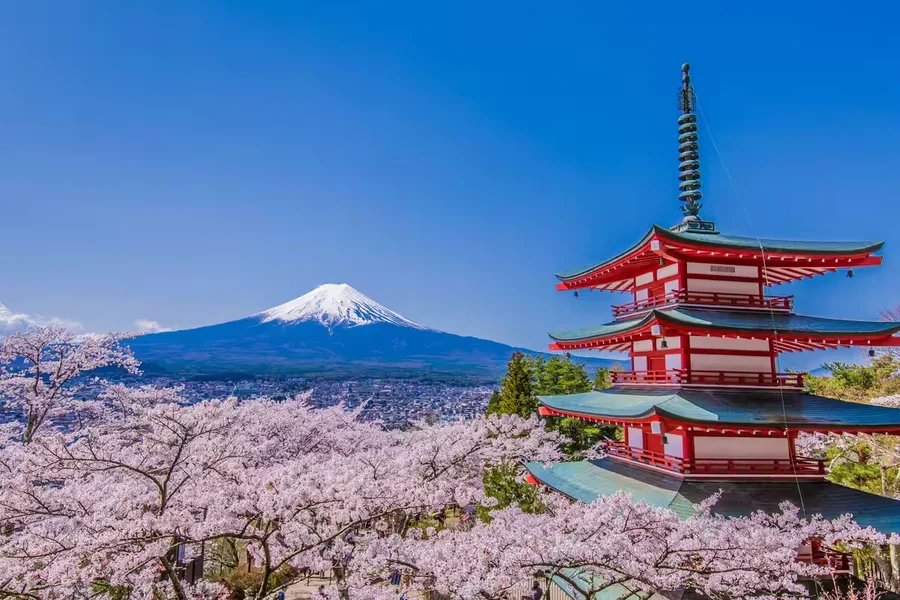
Japan is strongly shaped by season. The right time to cruise depends on whether you are hoping for cherry blossoms, fall foliage, gardens, festivals, comfortable touring weather, fewer crowds, or regional exploration.
Japan itineraries can feel very different depending on route, season, and port mix. Some focus on major gateways, while others include smaller coastal cities, northern Japan, South Korea combinations, or deeper country-focused routes.
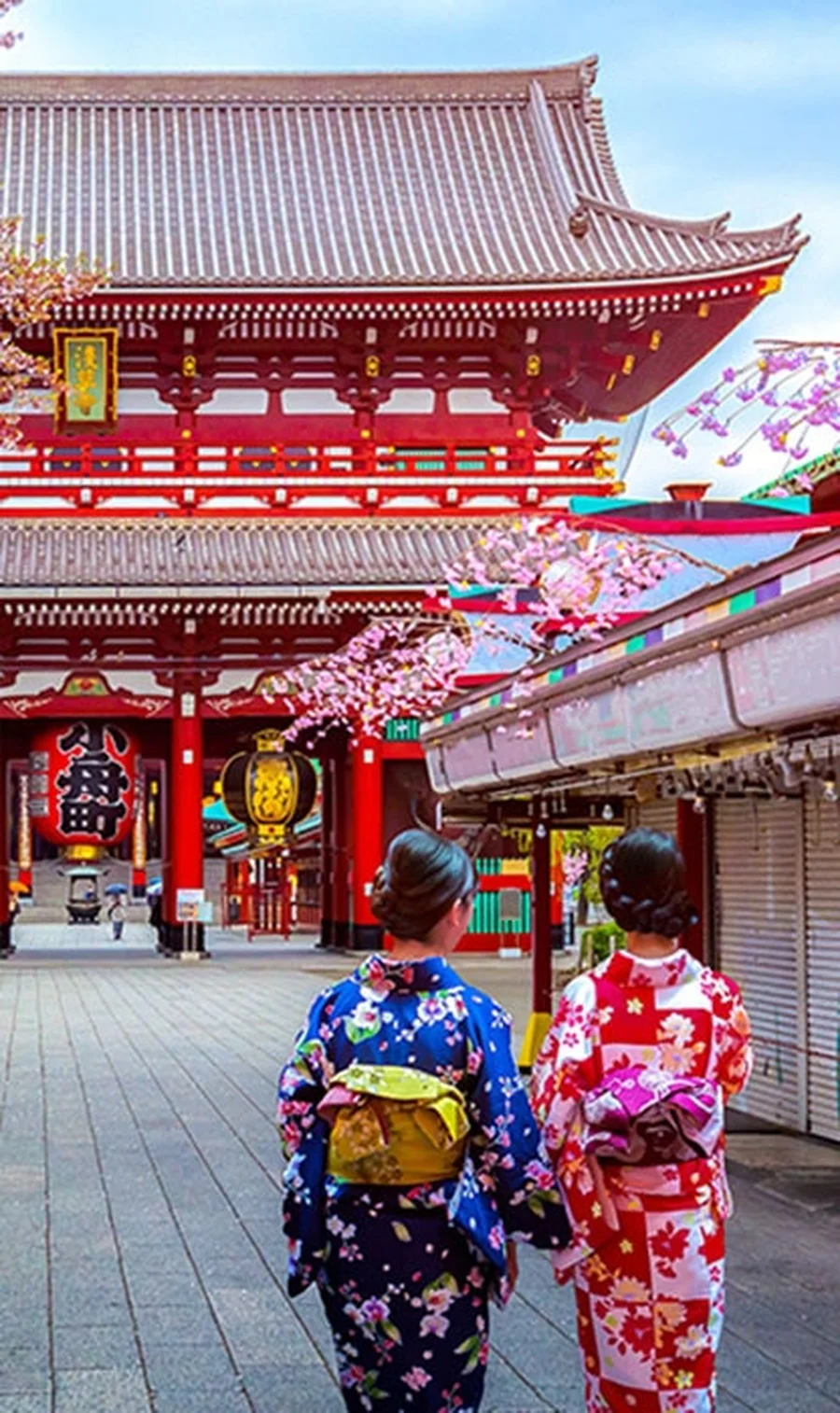
Tokyo and Yokohama are common gateways, offering easy access to neighborhoods, gardens, museums, food, shopping, and hotel stays before or after the cruise. Some itineraries or excursions may also create opportunities to experience Mount Fuji or surrounding scenic areas.
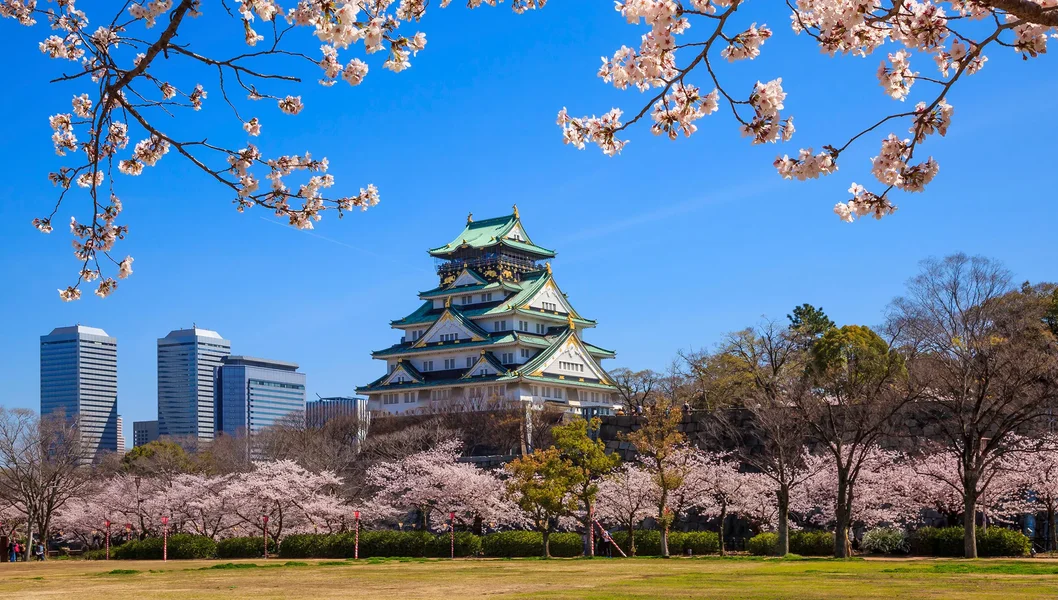
Osaka and Kobe often serve as gateways to Kyoto, where temples, traditional gardens, historic districts, tea culture, and seasonal beauty give travelers one of the most memorable cultural experiences in Japan.

Hiroshima can be one of the most meaningful calls, especially when paired with Peace Memorial Park, nearby Miyajima, local cuisine, and a deeper understanding of modern Japanese history.
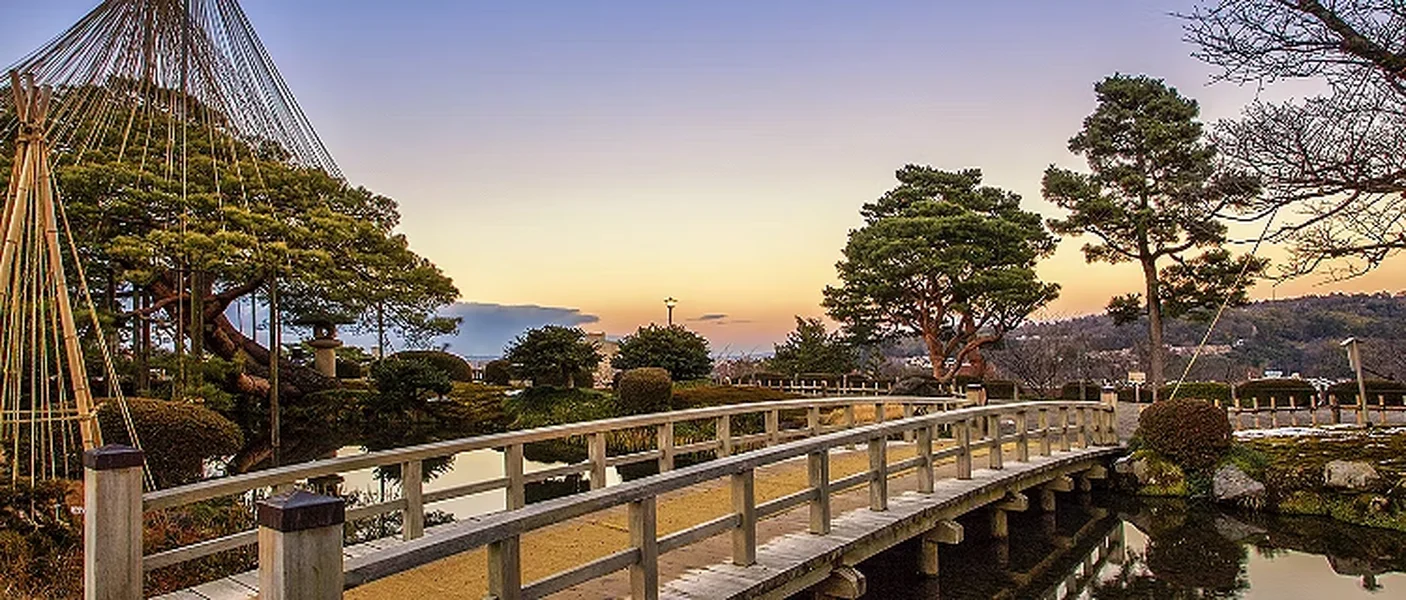
Northern and regional ports can reveal a different side of Japan with cooler landscapes, seafood, gardens, craft traditions, historic districts, and a less familiar atmosphere than the major gateways.
Japan cruises can be country-focused, regionally blended, luxury-oriented, or part of a longer Asia voyage. The best choice depends on whether you want cherry blossoms, fall color, temples, food, smaller ports, South Korea combinations, or a deeper pre- and post-cruise land plan.
Best for travelers who want Japan at its most iconic, with gardens, temple settings, seasonal color, and the possibility of seeing sakura during one of the country’s most celebrated travel periods.
Ideal for travelers who want more time in Japanese ports, including major cities, regional towns, cultural sites, food experiences, and scenic coastal areas.
Well suited for travelers who want elevated service, longer itineraries, pre- or post-cruise hotels, private guides, and the option to combine Japan with South Korea, Taiwan, or other parts of Asia.
The right Japan cruise is rarely chosen by ship alone. Season, route, port hours, hotel plans, Kyoto access, and touring style can make two similar-looking sailings feel completely different.
Japan rewards travelers who plan with intention. Cherry blossoms, autumn leaves, temple gardens, festivals, regional food, rail connections, hotel locations, and private touring can all influence which itinerary makes the most sense.
Because many cruise ports serve as gateways to deeper inland experiences, the value of the trip often depends on how well the cruise is connected with the land portion. Kyoto, Tokyo, Osaka, Mount Fuji, and food-focused touring should not be treated as afterthoughts.
If cherry blossoms, fall color, Kyoto, Mount Fuji, food markets, gardens, or traditional culture are important to you, those priorities should guide the route, dates, hotel plan, and excursions before we compare cabins or promotions.
Spring and fall are highly requested for good reason, but exact timing varies. If seasonal scenery matters, build flexibility and realistic expectations into the plan.
Kyoto deserves thoughtful planning. Depending on the itinerary, it may work best as a pre- or post-cruise stay rather than a rushed day trip.
Markets, private guides, small-group tours, tea experiences, gardens, temples, and specialty dining can make the trip feel much more personal when arranged in advance.
Spring and fall are often the most requested periods because of cherry blossoms, gardens, autumn foliage, comfortable touring weather, and seasonal atmosphere.
No. Cherry blossom timing changes each year and varies by region. A well-planned trip can improve the odds, but nature is never guaranteed.
For many travelers, yes. Kyoto is one of Japan’s most important cultural destinations and often deserves more time than a single port excursion can provide.
Many use Tokyo or nearby Yokohama as a gateway, but some sailings may begin or end in Osaka, Kobe, or other regional ports depending on the cruise line.
Yes. Japan is excellent for food-focused travelers, especially when markets, regional cuisine, guided tours, and pre- or post-cruise dining plans are included.
Some itineraries combine Japan with South Korea or other nearby destinations, while others remain more focused on Japan itself.
Yes. Japan works very well for luxury travelers when the right ship, hotels, guides, dining, and cultural experiences are planned together.
Both can be excellent. A cruise makes it easier to sample multiple coastal regions, while land extensions allow deeper time in Tokyo, Kyoto, Osaka, Mount Fuji, or regional cultural areas.
These cruise listings are updated live and reflect the current cruises available for this destination. Scroll through the results to explore additional ships, sailing dates, itineraries, and pricing.
You can also modify the search filters below to narrow your results. Once you find a cruise that interests you, Allison can help compare cabins, pricing, itineraries, promotions, and determine whether it is the best fit for your trip.
It is easy to compare cruise fares and ships first, but Japan is shaped by season, culture, pacing, and what you hope to remember. Cherry blossoms, Kyoto, food, gardens, temples, Mount Fuji, or regional ports may each point toward a different itinerary.
Before I recommend a Japan cruise, I want to understand whether you are dreaming of spring flowers, fall colors, historic temples, local cuisine, luxury hotels, modern Tokyo, quiet gardens, or a broader Asia journey.
Then we can compare routes, cruise lines, hotels, guides, flights, and excursions in a way that feels thoughtful instead of rushed.
 Featured Travel