
What makes a Galapagos cruise different from other cruises?
Galapagos cruises focus on wildlife, conservation, education, and small-ship exploration rather than entertainment, shopping, or nightlife.
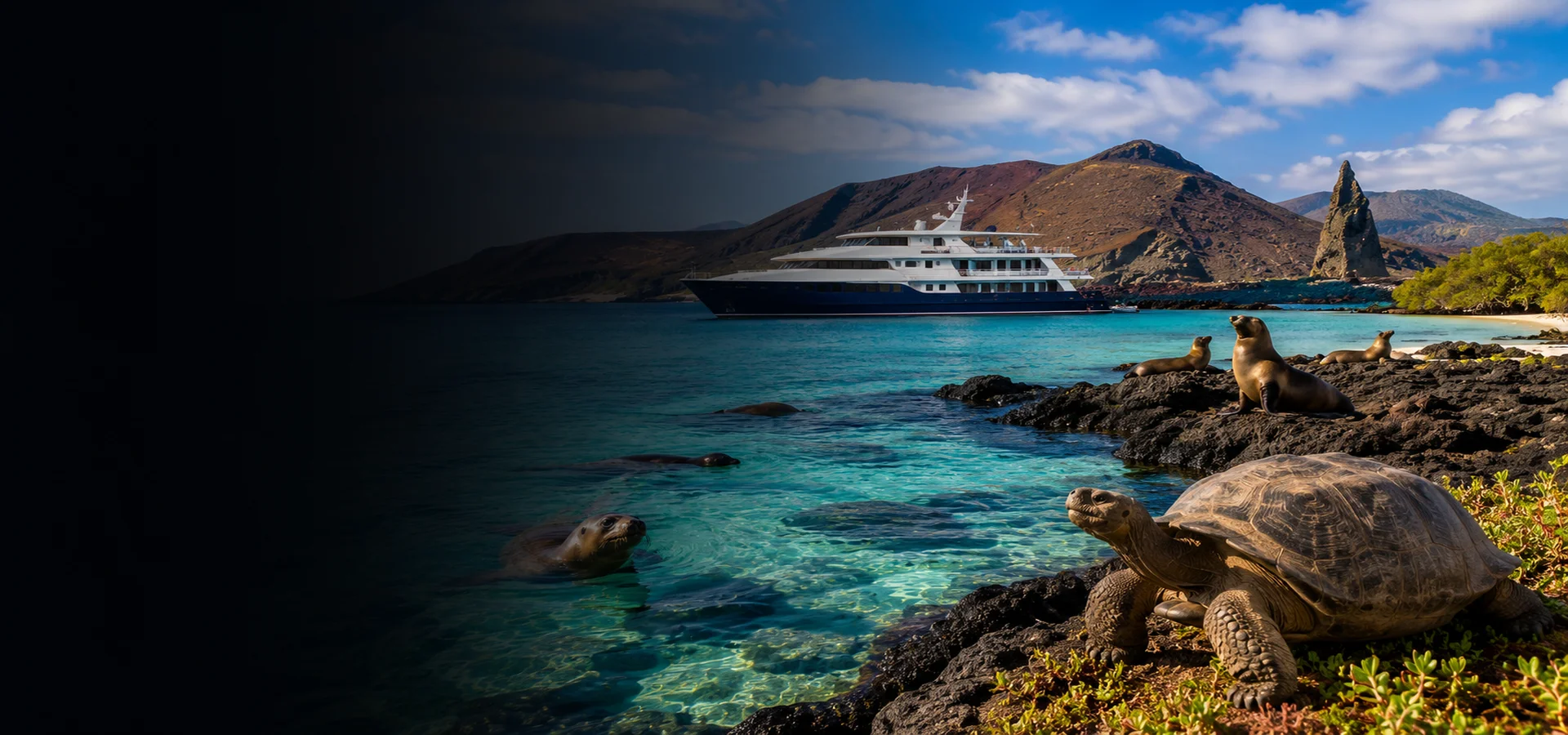
Sail among volcanic islands where giant tortoises, sea lions, marine iguanas, blue-footed boobies, and crystal-clear waters create one of the most remarkable cruise experiences on Earth.
Galapagos Islands cruises are among the most remarkable wildlife journeys in the world. This is not a typical beach cruise or big-ship itinerary. The focus is close wildlife viewing, naturalist-led exploration, volcanic landscapes, snorkeling, conservation, and limited-access island experiences.
This guide helps you understand how Galapagos cruises work, why ship size and route matter, what kinds of wildlife you may see, and how to plan the experience around expedition style, comfort level, timing, and possible mainland Ecuador extensions.
Play the audio version while you browse this destination guide.
Wildlife is the center of the experience. Giant tortoises, sea lions, blue-footed boobies, marine iguanas, frigatebirds, penguins, sea turtles, rays, and other species may be seen in settings that feel unusually close, quiet, and protected.
The right cruise matters because Galapagos itineraries are regulated, ship sizes are limited, landing sites vary, and the naturalist-guided schedule shapes almost every day of the trip.

The Galapagos Islands can be visited year-round, but the experience changes by season, sea conditions, wildlife behavior, water temperature, and your tolerance for warmer or cooler conditions.
Galapagos cruises are best compared by route, landing sites, ship size, naturalist quality, and wildlife priorities rather than by one headline port.
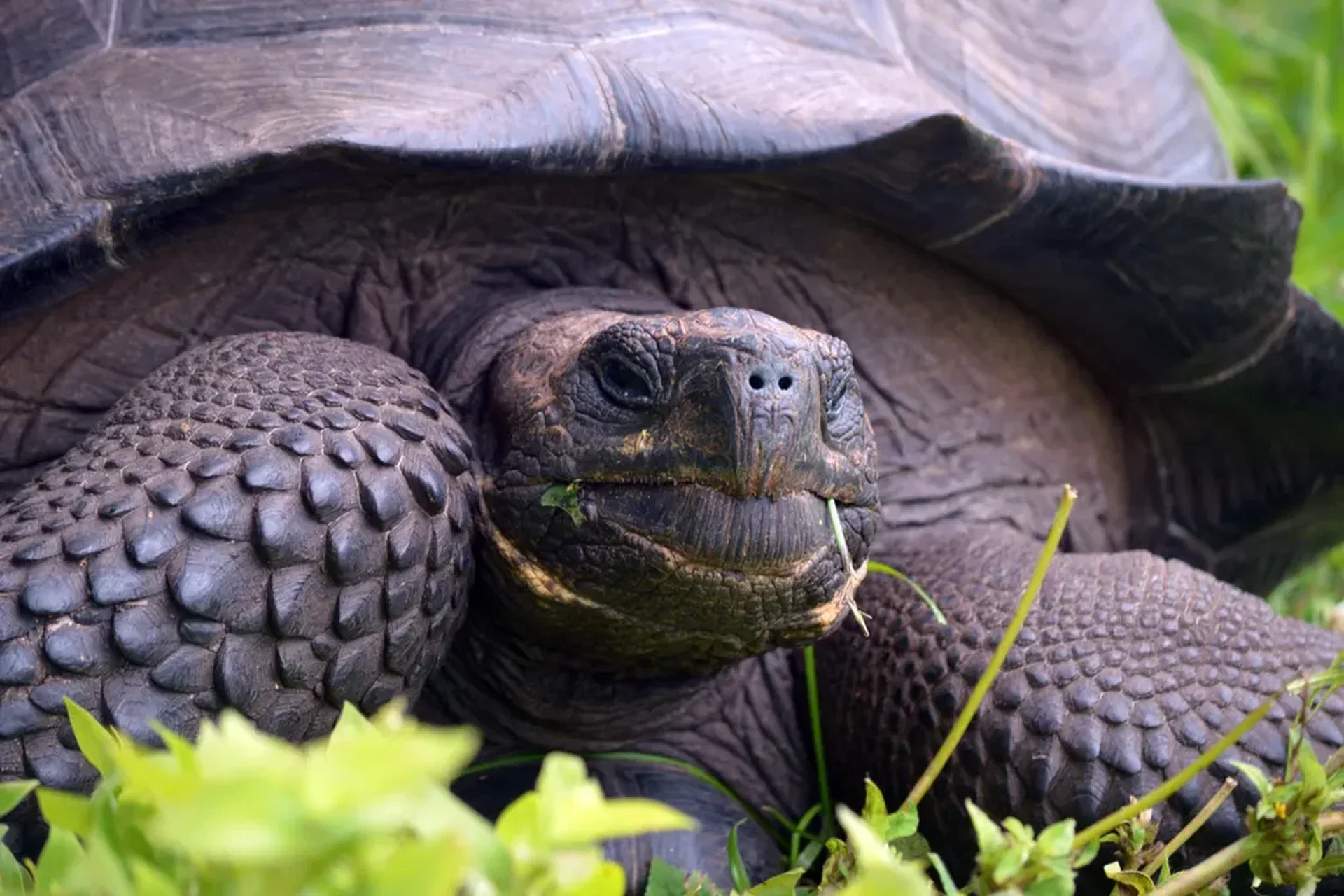
Santa Cruz is often a key part of a Galapagos journey, with access to Puerto Ayora, conservation centers, highland landscapes, and opportunities to see giant tortoises in protected or semi-wild environments.

Isabela is the largest island in the Galapagos and can feel more remote, with volcanic terrain, marine wildlife, penguins, sea turtles, coastal scenery, and expedition-style exploration.

Some itineraries include islands known for exceptional birdlife, sea lions, dramatic cliffs, nesting areas, waved albatross in season, red-footed boobies, and more specialized wildlife viewing.

For many travelers, the underwater world becomes a highlight. Snorkeling may include sea lions, sea turtles, rays, reef fish, marine iguanas, and, depending on route and season, other unforgettable marine encounters.
Unlike most cruise destinations, the ship itself becomes part of the destination. Galapagos itineraries differ by island access, naturalist guides, activity level, and the number of guests onboard.
These intimate vessels typically carry fewer than 100 guests and focus on personalized service, expert naturalists, fine dining, and immersive wildlife experiences with comfortable accommodations.
Designed for active travelers who want hiking, kayaking, snorkeling, Zodiac landings, photography, and multiple daily wildlife excursions led by certified naturalists.
Many travelers combine their expedition with Quito, Guayaquil, the Mashpi Cloud Forest, the Ecuadorian Andes, or an Amazon extension for a once-in-a-lifetime South American vacation.
The best Galapagos cruise is rarely determined by price alone. Ship size, itinerary, guide quality, wildlife priorities, and the islands visited often matter much more.
Unlike many cruise destinations where every ship visits similar ports, Galapagos expeditions are carefully regulated. Different itineraries visit different islands, landing sites, snorkeling areas, and wildlife habitats.
Choosing the right route can determine whether your cruise focuses on giant tortoises, marine iguanas, penguins, bird colonies, snorkeling, volcanic landscapes, or a balanced mix of experiences.
Many travelers shop by cruise line first, but I recommend comparing the itinerary before the ship. The islands visited often determine the memories you bring home.
Most Galapagos ships are intentionally small due to conservation regulations. Smaller ships often provide a more personal expedition experience and quicker access to landing sites.
Most days include Zodiac landings, guided walks, optional snorkeling, and uneven terrain. Activity levels vary, so selecting the right expedition is important.
Galapagos permits, ship capacity, and popular departure dates are limited. The best cabins and itineraries frequently sell out months in advance.
Galapagos cruises focus on wildlife, conservation, education, and small-ship exploration rather than entertainment, shopping, or nightlife.
Most itineraries include walking on uneven volcanic terrain, Zodiac transfers, and optional snorkeling. Activity levels vary by cruise line and itinerary.
The Galapagos can be visited throughout the year. Each season offers different wildlife activity, sea conditions, and water temperatures rather than one universally "best" time.
Many itineraries include opportunities to see giant tortoises, although sightings depend on the islands visited and the specific itinerary.
Yes. Many cruises offer snorkeling suitable for beginners while also providing opportunities for experienced snorkelers and divers.
Many expedition lines welcome families, although minimum age requirements and activity levels vary by cruise operator.
Absolutely. Many travelers combine the Galapagos with Peru, Ecuador, the Amazon, or other South American destinations.
For many travelers it is considered one of the world's premier wildlife destinations because of its remarkable biodiversity, conservation efforts, and close encounters with animals found nowhere else.
These cruise listings are updated live and reflect the current cruises available for this destination. Scroll through the results to explore additional ships, sailing dates, itineraries, and pricing.
You can also modify the search filters below to narrow your results. Once you find a cruise that interests you, Allison can help compare cabins, pricing, itineraries, promotions, and determine whether it is the best fit for your trip.
This is one destination where choosing the right itinerary matters more than choosing the biggest ship or the lowest fare.
I can help compare expedition companies, island routes, activity levels, cabin categories, flights through Ecuador, and optional pre- or post-cruise extensions.
Together we'll find an expedition that matches your interests, comfort level, photography goals, wildlife priorities, and travel style.
 Featured Travel